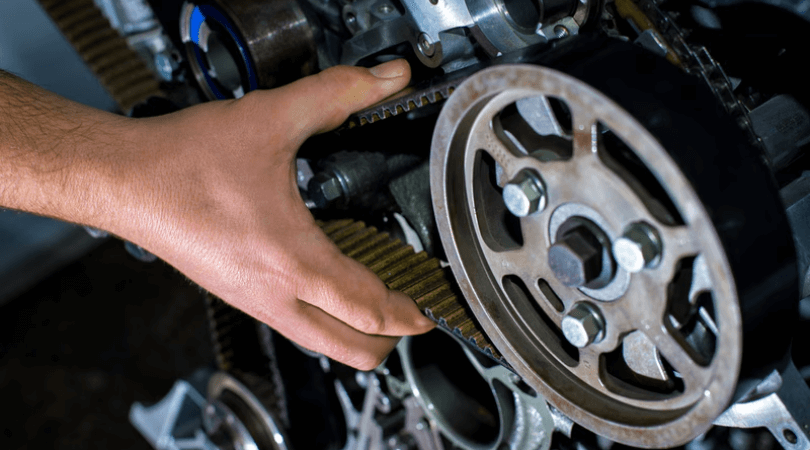
Have you ever watched a factory or mine grind to a halt because a conveyor belt snapped, tore, or wore out way too fast? It is a nightmare of lost money, angry customers, and endless repair headaches. You might be asking yourself, “Is there a belt that actually lasts?” The answer is a resounding yes. Quit struggling with weak belts that can’t handle heavy loads or rough materials. A good ep conveyor belt is built to take the punishment, and we are here to show you why it is the hero of heavy industry.
This guide is your clear, simple roadmap to solving those belt failures for good. We will start by defining What Is an EP Conveyor Belt?, then break down the different EP Conveyor Belt Grades and Specifications so you know what you are buying. You will love learning about the Top Benefits of EP Conveyor Belts, plus discovering Where EP Conveyor Belts Are Used every day. Finally, we will give you easy steps for How to Choose the Right EP Belt for your exact job. Let’s get excited—your days of belt trouble are over
What Is an EP Conveyor Belt?
An EP conveyor belt is a special kind of belt used in places like factories, mines, and construction sites to move all sorts of materials. The “EP” part means it’s made with strong layers of Polyester (E) and Nylon (P) fabric inside. These layers give the belt its toughness and help it carry heavy things like rocks, sand, grain, or packages a long way without stretching out too much or breaking. It’s designed to be very strong and reliable for hard work.
EP Conveyor Belt Grades and Specifications
EP conveyor belts are not all the same; they come in different types and strengths, called “grades” and “specifications.” These details are very important because they help you choose the correct belt for your specific job. Picking the right grade means your belt will work better, last longer, and save you money in the long run by avoiding breakdowns.
Understanding EP Numbers (EP200, EP400, EP630…)
The “EP numbers” you see, like EP200, EP400, or EP630, tell you how strong the belt is. This number shows how much pull the belt can handle before it might break. A higher EP number means the belt is much stronger and can carry heavier loads over longer distances. For example, an EP630 belt is much tougher and can do a bigger job than an EP200 belt. You pick the EP number based on how heavy the materials are and how far the belt needs to move them.
Layer Count: What It Means for Your Operation
Inside an EP conveyor belt, there are layers of strong fabric, often made of polyester and nylon. These are called “plies.” The “layer count” simply tells you how many of these fabric layers are built into the belt. Belts with more layers are usually stronger and more durable, meaning they can carry heavier stuff or work for longer times without stretching or breaking. A belt with three or four layers will typically last longer and perform better for tough jobs than a belt with only two layers.
Cover Rubber Types (Top & Bottom)
The outside parts of an EP belt have rubber covers on both the top and the bottom. These rubber covers are like the belt’s skin; they protect the strong fabric layers inside from damage. Different jobs need different kinds of rubber. Some covers are made to be extra tough against constant rubbing and wear, while others can handle hot materials, oil, or even harsh chemicals without falling apart. The top cover and bottom cover can even be made of different rubber types, depending on what each side needs to protect against.
Top Benefits of EP Conveyor Belts
EP conveyor belts are a great choice for many industrial jobs because they offer several key advantages. They are known for being very strong and reliable, especially when moving heavy materials. These belts don’t stretch much, even under big loads, which keeps your operations smooth. Plus, they can handle tough conditions like dampness and don’t need a lot of work to keep them running well, saving you time and money in the long run.
Low Elongation Under Heavy Load
One of the best things about EP conveyor belts is that they don’t stretch a lot, even when they carry very heavy items. This means the belt stays tight and doesn’t get loose over time. Because it doesn’t stretch, the belt helps keep everything stable and moving smoothly. This makes your work more efficient and helps avoid problems that can happen when belts get too loose.
Moisture and Mildew Resistance
EP conveyor belts are built to handle wet places and humid air without getting damaged. Water, dampness, and even mildew (a type of mold) won’t make these belts weak or break down. This is super important for factories or outdoor areas where things can get wet. Their resistance means the belts stay strong and clean, helping them last longer and work better in tough, moist conditions.
Long Service Life With Low Maintenance
These belts are made to last for a very long time, even with daily use in hard working environments. They are tough and can take a lot of wear and tear. You also don’t need to fix them or look after them very often. This means less downtime for your machines and less money spent on repairs or new belts, making them a smart and cost-effective choice for your business.
Where EP Conveyor Belts Are Used
EP conveyor belts are very strong and last a long time. Because of this, you will see them used in many different types of jobs and places all over the world where heavy or big things need to be moved. They can handle a lot of weight and keep working day after day, making them a top choice for moving materials in tough conditions.
Mining, Quarrying, and Construction
In places like mines, rock quarries, and building sites, EP belts move heavy rocks, dirt, and raw materials. They are tough enough for this hard work, carrying material from one spot to another without breaking down. This helps dig up ores, break down rocks, and build new structures more easily.
Ports, Power Plants, and Chemical Plants
At ports, EP belts help load and unload ships, moving things like grain or coal. Power plants use them to carry coal and other fuel that makes electricity. Chemical plants also rely on these belts to move raw stuff and finished products around safely, making sure everything gets to where it needs to go.
Food Processing and Logistics
Even in food factories, you’ll see EP belts moving different food items as they get made and packed. In big warehouses and shipping centers (logistics), they move boxes and packages quickly from one area to another to get them ready for delivery. This helps get products to stores and customers faster.
How to Choose the Right EP Belt
Picking the correct EP conveyor belt is a big deal to make sure your system works right and your belt lasts a long time. You need to think about what you’re moving, how heavy it is, and where it’s going. Choosing smart helps you avoid breakdowns and save money in the long run.
Match Belt Strength to Load and Distance
The strength of your EP belt needs to match what you’re putting on it and how far it has to travel. If you’re moving very heavy stuff or carrying materials a long way, you’ll need a much stronger belt. A weak belt will stretch, break, or wear out quickly if it’s handling too much weight or going too far.
Pick the Right Number of Layers
EP belts are made with layers of fabric inside to give them their strength. A belt with more layers is generally stronger and can handle heavier loads and longer distances better. For lighter jobs, fewer layers might be okay, but for tough work, you’ll want more layers to keep the belt from failing.
Choose Cover Grade for Your Environment
The outer cover of your EP belt protects it from everything it touches. You need to pick the right cover grade based on your workplace. For example, if you’re moving hot materials, you need a heat-resistant cover. If there’s a lot of oil or chemicals, you need a cover that won’t break down from them. A tough cover also helps if your materials are sharp or rough.
How Does TranBelt Supply EP Conveyor Belts and Kits from China?
When it comes to sourcing EP Conveyor Belts and Kits from China, we take a streamlined, three-part approach that guarantees you get good products, good prices, and easy service. We don’t just act as a middleman; we combine official brand distribution with in-house manufacturing and logistics expertise to deliver a complete solution. Here is exactly how we make it happen:
- Direct Brand Partnerships: We work directly with top global belt brands and are their official distributor in China. This allows us to offer you lower agent prices on original belts from brands like Bando, Continental, Gates, Megadyne, Mitsuboshi, and Optibelt—all backed by stable stock and fast supply.
- Factory-Direct Production: We also have our own factory, meaning we can produce EP Conveyor Belts and Kits for different machines and special needs. Factory production gives us better quality control and more competitive prices, including the ability to create fully custom belts tailored to your exact specifications.
- Optimized Global Shipping: We cooperate with long-term shipping partners for both air and sea freight. We help you choose the best shipping plan to save cost and ensure your goods arrive safely and on time.
Looking for a reliable belt supplier in China?
Contact TranBelt now for a fast quotation and professional support.
Frequently Asked Questions
What does “EP” stand for in conveyor belts?
EP stands for “polyester” (the E) and “polyamide” (the P). It’s a type of fabric inside the belt that makes it strong and flexible.
Is an EP belt the same as a polyester belt?
Yes, most of the time. EP belts have a polyester top layer and a polyamide bottom layer. People often just call them polyester belts because polyester is the main part.
How many layers does an EP belt need for heavy loads?
For heavy loads, you usually need 3 to 5 layers. More layers add more strength. But you have to pick the right number for your job, or the belt can break.
Can EP belts handle wet or humid conditions?
Yes, they can. The polyester in EP belts does not soak up water like some other materials. That helps them stay strong even in wet or damp places.
What industries use EP conveyor belts the most?
The most common industries are mining, farming, and factories that move heavy things like rocks, grain, or boxes. They also use them in ports for loading ships.
How long does an EP conveyor belt last?
It depends on the work. In normal use, an EP belt can last 3 to 5 years. If the work is very hard or dirty, it might last only 1 to 2 years. Taking care of it helps it last longer.
How is an EP belt different from a steel cord belt?
The main difference is what’s inside. EP belts have fabric layers, so they are lighter and bend easier. Steel cord belts have steel wires inside, so they are much stronger and last longer for very heavy jobs. But EP belts cost less and are easier to fix.
Conclusion
So, now you know the full story of the ep conveyor belt. We started by explaining what it is, then broke down the different grades and specs. After that, we looked at all the top benefits, like how strong and long-lasting it is. We also showed you where it gets used in real industries. And finally, we gave you a clear guide on how to pick the right one for your job. If you were worried about buying the wrong belt or getting confused by all the technical talk, those pain points are now gone. Most of your questions have been answered.
But knowing is only half the battle. Now it is time to take action. You need a belt that actually works and a supplier you can trust. That is where we come in. We want you to get a great ep conveyor belt at a fair price, without all the hassle. Contact TranBelt right now for a fast quote. We work directly with top brands and have our own factory, so you get good products, good prices, and easy service. Do not wait—let us solve your problem today.