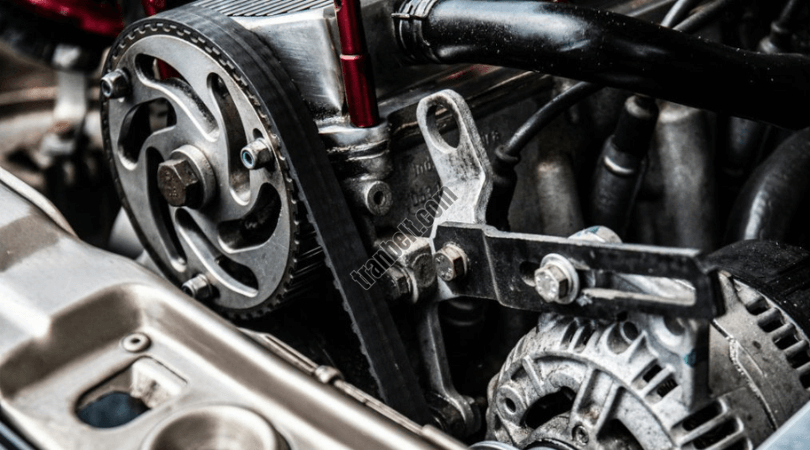
Ever tried fixing a machine only to hear that awful squealing noise? That’s the sound of a belt slipping, and it can drive you nuts. Maybe your car’s alternator isn’t charging, or your washing machine just stopped spinning. You might think, “Why can’t anything just work smoothly?” The truth is, many belts wear out fast or don’t fit right, costing you time and money. Did you know that a worn belt can waste up to 15% of engine power? Frustrating, right? Well, there’s a smarter solution: the poly v belt. It’s built to grip better and last longer, so you can finally say goodbye to those annoying breakdowns.
This guide is here to fix your problems. We’ll start with What Is a Poly V Belt and How Does It Work? so you understand the basics without any confusing jargon. Then, we’ll break down Poly V Belt Types and Profiles to help you pick the exact one for your job. Next, you’ll learn Poly V Belt Sizes: How to Read the Numbers – it’s easier than reading a ruler! Finally, we’ll explore Poly V Belt Applications by Industry to show you how this amazing part powers everything from lawn mowers to factory machines. Get ready to feel like a pro – this is going to be fun and super helpful
What Is a Poly V Belt and How Does It Work?
A Poly V belt is a special kind of belt used in many machines and engines. It’s flat on one side and has several small V-shapes, called ribs, on the other side. This design lets it grab onto pulleys (which are like wheels with matching grooves) very well. It works by transferring power smoothly from one part of a machine to another, often driving several things at once, like in a car engine.
Definition of a Poly V Belt
A Poly V belt is a power transmission belt that has a flat top surface and multiple small V-shaped ribs on its bottom surface. These ribs run all the way along the belt’s length. People also call it a multi-rib belt or a serpentine belt. Its main job is to send power from one part of a machine to several other parts, making them work together.
How It Differs From a Standard V-Belt
A Poly V belt is different from a regular V-belt in a few ways. A standard V-belt usually has just one big V-shape that wedges into a pulley groove. But a Poly V belt has many smaller V-shaped ribs placed side-by-side. This means it touches the pulley in more places, giving it a stronger grip. This design helps it run quieter, last longer, and drive more parts at the same time than a single V-belt.
Key Parts: Ribs, Tensile Cord, and Body
A Poly V belt is made of three main parts that help it work well. The ribs are the V-shaped grooves on the inside of the belt that fit into the pulley’s grooves to create grip. Inside the belt, there’s a strong string-like part called the tensile cord. This cord, often made of tough material, keeps the belt from stretching and gives it its main strength. Finally, the body is the rubber or synthetic material that surrounds the cord and ribs, holding everything together and protecting the belt from wear and tear.
Poly V Belt Types and Profiles
Poly V belts come in different types, known as “profiles.” These profiles describe the size and shape of the grooves on the belt. Each profile is made to work best with certain machines and power needs. Choosing the right profile makes sure the belt fits well, lasts long, and helps your equipment run smoothly.
PH Profile — Small Appliances
The PH profile is the smallest type of poly V belt. It has very fine grooves, making it great for machines that don’t need a lot of power. You’ll often find PH belts in small home appliances like washing machines, dryers, fitness equipment, or small power tools. They help these small motors transfer power quietly and smoothly.
PJ Profile — Light Industrial Equipment
The PJ profile is a common choice for light industrial machines and slightly larger home appliances. It’s a bit thicker and stronger than the PH profile. This belt is used in equipment such as treadmills, small pumps, woodworking tools, and some HVAC systems. It can handle more power than the PH type while still running quietly and efficiently.
PK Profile — Automotive and Machinery
The PK profile is widely used in cars and many types of general machinery. This belt is made to handle medium power loads and is very durable. In cars, it drives things like the alternator, power steering pump, and air conditioning compressor. You’ll also find PK belts in things like compressors, lawnmowers, and other industrial tools where reliability is key.
PL Profile — Heavy-Duty Drives
The PL profile is designed for heavy-duty work and larger industrial machines. It’s much wider and stronger than the smaller profiles. This belt can transfer a lot of power, making it suitable for applications such as large fans, mixers, agricultural equipment, and some types of factory machinery. It’s built to last under tough conditions.
PM Profile — High-Power Industrial Systems
The PM profile is the largest and strongest poly V belt available. It is made for systems that need extremely high power and can handle very heavy loads. You’ll find PM belts in the most demanding industrial settings, like large crushers, heavy-duty compressors, oil field equipment, and other high-power machinery where maximum strength and reliability are essential.
Poly V Belt Sizes: How to Read the Numbers
Understanding the size of a Poly V belt might seem tricky at first, but it’s really about knowing what the numbers and letters on the belt mean. These codes tell you important things like how long the belt is, how wide it is, and how many grooves it has. Learning to read these numbers helps you pick the right belt for your machine, making sure it works well and lasts a long time.
What the Belt Code Means
Every Poly V belt has a special code printed on it. This code usually starts with a letter, like ‘J’ or ‘K,’ which tells you the belt’s type or profile – basically, how big each rib is. After that, you’ll often see numbers that show the belt’s length, usually in inches or millimeters. Sometimes, you’ll also see another number that tells you how many ribs or grooves the belt has. Knowing this full code helps you get the exact replacement belt you need.
How Rib Count Affects Power Capacity
The ‘ribs’ are the grooves on the belt that fit into the grooves on your machine’s pulley. If a Poly V belt has more ribs, it can handle more power or work harder without slipping. Think of it like this: more ribs mean more grip on the pulley because there’s more contact area. This extra grip helps the belt move heavier things or spin faster. So, for a tough job, you’ll usually want a belt with more ribs.
Standard Length and Width Measurements
Poly V belts come in specific, standard sizes for their length and width. The length is usually measured all around the inside of the belt when it’s relaxed, often given in inches or millimeters. The width is measured across the top of the belt, from one edge to the other. These measurements are super important because a belt that’s too long will slip, and one that’s too short simply won’t fit at all. Always check the machine’s manual or the old belt for the correct standard sizes.
Poly V Belt Applications by Industry
Poly V belts are used in many different types of businesses and for various machines. They are very good at sending power from one part of a machine to another because they are strong and can grip well. This makes them a popular choice for equipment across many industries, helping things run smoothly and efficiently.
Automotive (Serpentine / FEAD Systems)
In cars, poly V belts are often called serpentine belts. They are key parts of the engine system, making sure important accessories work. These belts power things like the alternator, which charges the battery, the power steering pump, which helps you turn the wheel easily, and the air conditioner compressor, which keeps you cool. One long serpentine belt can power many of these parts at the same time.
HVAC and Home Appliances
You can also find poly V belts inside many home appliances and heating, ventilation, and air conditioning (HVAC) systems. They help washing machines spin clothes, dryers tumble them dry, and refrigerators circulate coolant. In HVAC units, these belts help fans move air. They are chosen because they run quietly and efficiently, making your home appliances work better.
Industrial Machinery and Conveyor Systems
In factories and big production sites, poly V belts are very important for heavy-duty machines and conveyor belts that move products. They are built to handle a lot of force and constant use without breaking down. These belts help power pumps, fans, and various manufacturing equipment, making sure that production lines keep moving and work stays on schedule.
How Does TranBelt Supply Poly V-Belts and Kits from China?
When it comes to sourcing Poly V-Belts and Kits from China, we make the entire process seamless and cost-effective for you. As your trusted partner, we combine global brand access, in-house manufacturing, and optimized logistics to deliver exactly what you need. Here’s how we do it:
- We work directly with top global belt brands and are their official distributor in China. This allows us to offer lower agent prices. We supply original belts from brands like Bando, Continental, Gates, Megadyne, Mitsuboshi, and Optibelt, with stable stock and fast supply.
- We also have our own factory, so we can produce belts for different machines and special needs. Factory production means better quality control and more competitive prices, including custom belts.
- We cooperate with long-term shipping partners. Air and sea shipping are both available. We help customers choose the best shipping plan to save cost and receive goods safely and on time.
Looking for a reliable belt supplier in China?
Contact TranBelt now for a fast quotation and professional support.
Frequently Asked Questions
1. What does the number on a poly v belt mean?
The number on a poly v belt tells you its length in millimeters. For example, if the belt says “1250,” that means it is 1250 millimeters long around the outside.
2. Can a poly v belt replace a regular V-belt?
No, you cannot replace a regular V-belt with a poly v belt. They are shaped different. A regular V-belt has a V-shaped cross section, and a poly v belt has many small ribs running along the inside. They also need different pulleys to work right.
3. How long does a poly v belt last?
A poly v belt usually lasts between 50,000 and 100,000 miles. In some cars, it can last up to 150,000 miles if you take good care of it. But things like heat, dirt, and bad pulleys can make it wear out faster.
4. What causes a poly v belt to slip?
A poly v belt slips when it is too loose, or when the pulley is dirty or worn out. Oil, grease, or coolant on the belt can also make it slip. If the belt is too old and stretched out, it will not grip tight enough.
5. Are poly v belts used in cars?
Yes, most modern cars use poly v belts. They run things like the alternator, air conditioning compressor, power steering pump, and water pump. They are common because they are quiet and can drive many parts with one belt.
6. What is the most common poly v belt profile?
The most common profile is called “PK.” This means the ribs are 3.56 millimeters apart. You will see this on almost all car engines and many machines. There are also other profiles like PJ and PL, but PK is the standard.
7. How do I measure a poly v belt size?
To measure a poly v belt, first count the number of ribs. Then measure the length of the belt around the outside edge in millimeters. The size is often written as something like “5PK1035.” The “5” means 5 ribs, and “1035” means 1035 millimeters long. You can also check the numbers printed on the old belt.
Conclusion
You’ve learned all about the poly v belt—what it is, the different types and profiles, how to read the size numbers, and where it’s used in real industries. Now, the pain points are solved. No more guessing which belt fits your machine or worrying about failure. Whether you need a belt for a small car or a big factory, this guide has answered your main questions. You now know exactly what to look for, so your machine can run smooth and strong.
But knowing is only half the battle. Now it’s time to act. Let TranBelt help you get the perfect poly v belt fast and easy. We work with top brands like Gates and Bando, and we even have our own factory for custom needs. You get lower prices, better quality, and smart shipping that saves you money. Don’t wait—contact TranBelt today. Get a quick quote, and let us solve your belt problem for good. You deserve a reliable partner!