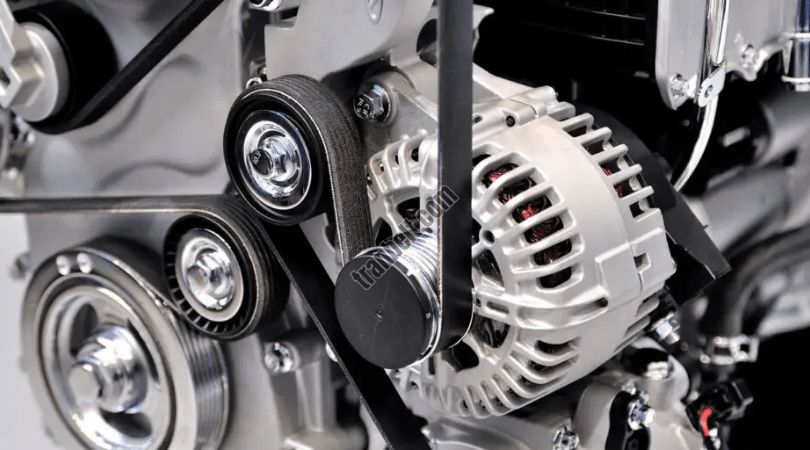
Did your last workday feel like a race against time, where boxes piled up and your back ached from lifting? You are not alone. Many workers struggle with moving heavy items, and it slows everything down. But what if you could move products without lifting a finger? Imagine parts and packages gliding from one station to the next, all by themselves. That is the magic of a machine conveyor belt. With the right setup, you can cut wasted time and save your body from strain. Are you ready to see how simple this solution really is?
In this article, we will break down everything you need to know in easy steps. We will start with what is a machine conveyor belt and how does it works, so you understand the basic idea. Next, we will explore the types of machine conveyor belts to match your job. You will also learn about materials used to make conveyor belts, so you pick one that lasts. Finally, we will look at where machine conveyor belts are used, from factories to warehouses. Get excited, because solving your daily work headaches is easier than you think!
What Is a Machine Conveyor Belt and How Does It Works
A machine conveyor belt is a simple but very useful machine that moves things from one spot to another. Think of it like a moving sidewalk, but for goods and materials instead of people. It uses a long, strong loop of material, like rubber or fabric, that spins around two or more wheels called rollers. A motor makes these rollers turn, which causes the belt to move continuously. This makes it easy and fast to transport many items in places like factories, stores, or airports.
How a machine conveyor belt moves materials
When the motor starts, it provides power to turn the main roller, called the drive pulley. This pulley grips the belt and pulls it forward. The belt then moves in a continuous loop, like a track. Items are placed on the moving belt, and because the belt itself is moving, it carries them along. Other rollers help support the belt and guide it, making sure it stays on track and moves smoothly from one end to the other, delivering materials where they need to go.
Main parts of a machine conveyor belt system
A typical machine conveyor belt system has a few important parts working together. The most obvious part is the belt itself, which is the moving surface that carries the items. Next, there’s the motor, which provides the power to make the belt move. Rollers or pulleys are the wheels that the belt wraps around and moves on. There’s also a frame or structure that holds all these parts up and in place. Sometimes, you’ll see other parts like support rollers under the belt, or side guides to keep items from falling off.
Why machine conveyor belts matter in industry today
Conveyor belts are super important in almost every industry today. They help businesses move products and materials quickly and without much effort. This means factories can make more things faster, and warehouses can get packages ready for shipping much quicker. They also help keep workers safe by doing the heavy lifting and carrying, so people don’t have to strain themselves. By making work faster, safer, and more efficient, conveyor belts save companies a lot of time and money.
Types of Machine Conveyor Belts
Conveyor belts come in many different kinds, each made for a special purpose. The type of belt you use depends on what you need to move, how heavy it is, and where it needs to go. Choosing the right kind helps make sure things move smoothly and safely in places like factories, warehouses, and even grocery stores.
Flat belt conveyors
Flat belt conveyors are very common and simple. They use a flat loop of material, usually rubber or fabric, that goes around two or more rollers. These belts are good for moving all sorts of items, especially small things or those with odd shapes, over short or medium distances. You often see them in checkout lines, for handling packages, or on assembly lines.
Modular belt conveyors
Modular belt conveyors are built from many small, interlocking plastic pieces, like building blocks. If a small part of the belt gets damaged, you can easily replace just that piece instead of the whole belt. These belts are very strong and can handle heavy items, sharp edges, and even liquids, making them great for places that process food or bottle drinks.
Roller belt conveyors
Roller belt conveyors use a line of spinning tubes, called rollers, instead of a flat belt. Items sit on top of these rollers and move along as the rollers turn. These are perfect for moving boxes, crates, and large items because the rollers make it easy to stop, start, or even turn things. They are often used in big warehouses and for sorting packages.
Cleated belt conveyors
Cleated belt conveyors have raised bumps or ridges, called cleats, fixed to their surface. These cleats act like small walls that stop items from sliding back down when the belt moves uphill, or they can keep products separated. People often use them for moving loose materials like grain, sand, or small parts up a sloped path.
Wire mesh and steel belt conveyors
Wire mesh and steel belt conveyors are made from metal. Wire mesh belts have holes, which are good when you need air or liquid to pass through, like for cooling, drying, or washing products. Steel belts are very tough and can handle extreme heat, sharp objects, and very heavy loads. You often find them working inside ovens, furnaces, or in metal factories.
Materials Used to Make Conveyor Belts
Conveyor belts are made from many different kinds of materials. The type of material used depends on the job the belt needs to do. Some jobs need belts that are really strong, while others need belts that can handle heat, keep things clean, or cost less money. Choosing the right material helps the belt work best and last a long time.
Rubber — the most common heavy-duty material
Rubber is a very popular choice for conveyor belts, especially for tough jobs. It’s super strong and can carry heavy things like rocks, dirt, sand, or big packages. Rubber belts are also good because they can take a lot of wear and tear without breaking down easily, making them perfect for busy factories and construction sites.
PVC — lightweight and low-cost
PVC belts are lighter than rubber belts and often cost less money. They are a good choice for carrying lighter items, like small boxes, packages in a warehouse, or food products that aren’t too hot. PVC is also easy to keep clean, which makes it useful in places where hygiene is important.
Polyurethane (PU) — great for food and precision work
Polyurethane, or PU, belts are excellent for moving food because they are very clean and safe. They don’t have parts that can get into your food, and they are easy to wash. PU belts are also good for jobs where you need to be very exact, like moving small, delicate items without damaging them.
Silicone and PTFE — for high-heat environments
When things get really hot, you need special belts like silicone or PTFE, which is also known as Teflon. These belts can work in very hot ovens or places where other materials would melt. They are perfect for carrying items that have just come out of a heater or need to be moved through high-temperature processes.
Metal and steel — for extreme loads
For the heaviest and sharpest items, metal and steel conveyor belts are used. They are super tough and can handle huge weights or things that would cut through other belts, like hot metal parts or large pieces of wood. These strong belts don’t easily break and can last a long time in very harsh conditions.
Where Machine Conveyor Belts Are Used
Conveyor belts are very useful machines found in many different places, helping to move items from one spot to another easily. They make work faster and save a lot of effort by carrying all sorts of things, whether they are small packages or heavy raw materials. You’ll see them in factories, warehouses, and even places that handle food, making daily tasks much smoother and more efficient.
Food and beverage processing
In places where food and drinks are made ready to eat, conveyor belts are super important. They help move fresh produce, like fruits and vegetables, through washing and sorting areas. Belts also carry bottles to be filled, boxes to be packed, and snacks to be wrapped, making sure food products are handled safely and quickly from start to finish.
Mining and bulk material handling
Conveyor belts are built tough for jobs like mining and moving large amounts of materials. They are used to transport huge piles of coal, ore, rocks, and dirt from deep inside mines or from big storage yards. These strong belts can move heavy materials over long distances, helping companies handle raw stuff needed for many industries.
Warehousing, logistics, and e-commerce
If you’ve ever ordered something online, conveyor belts likely helped get it to you. In big warehouses, these belts sort thousands of packages every day, sending them to the right trucks for delivery. They also move items around storage facilities quickly, making sure products are found, packed, and shipped out fast to customers.
Manufacturing and assembly lines
In factories that build everything from cars to cell phones, conveyor belts are at the heart of the work. They move parts and products along an assembly line, allowing different workers to add their piece or do their task. This continuous movement helps make products in a smooth, step-by-step way, putting items together correctly and efficiently.
How Does TranBelt Supply Conveyor Belts and Kits from China?
When you need conveyor belts and kits from China, you want a partner who delivers more than just products—you want reliability, value, and simplicity. At TranBelt, we make the entire supply process straightforward and efficient. As a professional supplier of power transmission belts and drive solutions, we help customers get good products, good prices, and easy service.
- We work directly with top global belt brands and are their official distributor in China. This allows us to offer lower agent prices. We supply original belts from brands like Bando, Continental, Gates, Megadyne, Mitsuboshi, and Optibelt, with stable stock and fast supply.
- We also have our own factory, so we can produce belts for different machines and special needs. Factory production means better quality control and more competitive prices, including custom belts.
- We cooperate with long-term shipping partners. Air and sea shipping are both available. We help customers choose the best shipping plan to save cost and receive goods safely and on time.
Looking for a reliable belt supplier in China?
Contact TranBelt now for a fast quotation and professional support.
Frequently Asked Questions
1. What is a machine conveyor belt used for?
A machine conveyor belt is used to move things from one place to another. It saves time and hard work. Factories use them to move boxes, parts, or food along a line. Workers do not have to carry heavy stuff by hand.
2. What are the main types of conveyor belts?
The main types are flat belts, roller belts, and modular belts. Flat belts are simple and move items on a smooth surface. Roller belts have wheels to help things slide. Modular belts are made of plastic pieces that lock together. Each type works best for different jobs.
3. Which belt material is best for food processing?
For food processing, stainless steel or food-grade plastic is best. These materials are easy to clean and do not rust. They also stop germs from growing. Rubber belts are not safe for food because they can trap dirt.
4. How long does a conveyor belt last?
A conveyor belt usually lasts between 3 and 10 years. It depends on how often you use it and what you move. Heavy loads or rough materials can make it wear out faster. Taking good care of the belt helps it last longer.
5. What causes a conveyor belt to slip?
A conveyor belt slips when there is not enough grip. This can happen if the belt is too loose or worn out. Oil, water, or dirt on the belt also makes it slip. Fixing the tension or cleaning the belt often solves the problem.
6. Can conveyor belts work outdoors or in wet areas?
Yes, some conveyor belts can work outdoors or in wet areas. You need belts made of waterproof materials like stainless steel or special rubber. These belts resist rain and mud. Always check the belt’s rating before using it outside.
7. How much does a conveyor belt system cost?
A conveyor belt system can cost between $1,000 and $50,000. Small, simple systems are cheaper. Big systems with motors and controls cost more. The price also goes up if you need a long belt or special features. It is best to ask a supplier for a quote.
Conclusion
Now you know everything about the machine conveyor belt—what it is, how it works, the different types, the materials used, and where it’s used. All those confusing questions you had? They’re answered now. The pain points are gone. You no longer have to worry about picking the wrong belt or not understanding how it fits your work. You’ve got the knowledge to make a smart choice, and that’s a big win.
So what’s next? It’s time to take action. You don’t have to do this alone. Come to us, TranBelt. We get you good products, good prices, and easy service. We work with top global brands like Bando and Gates, and we even make custom belts in our own factory. Plus, we help with shipping to save you money. Don’t wait—contact TranBelt today for a fast quote. Your machine conveyor belt solution is just one message away!