Does your car make a loud squealing noise when you start it up? That annoying sound often means your serpentine belt is too loose. A loose belt can cause your battery light to come on or even make your engine overheat. It’s a real headache, right? But don’t worry—you don’t need to be a mechanic to fix it. In fact, learning how to tighten serpentine belt is easier than you think. Imagine saving money on repairs and feeling proud you did it yourself. Ready to stop that squeak for good?
This article will walk you through everything step by step. First, we’ll explain What Is a Serpentine Belt? so you know what you’re working with. Then, we’ll list Tools You’ll Need Before You Start—most are probably in your garage already. Next, you’ll learn How to Check Serpentine Belt Tension to see if it’s loose. Finally, we’ll cover Step-by-Step: How to Tighten a Serpentine Belt, giving you simple instructions you can follow right away. Let’s get your car running smooth and quiet—you’ve got this!
What Is a Serpentine Belt?
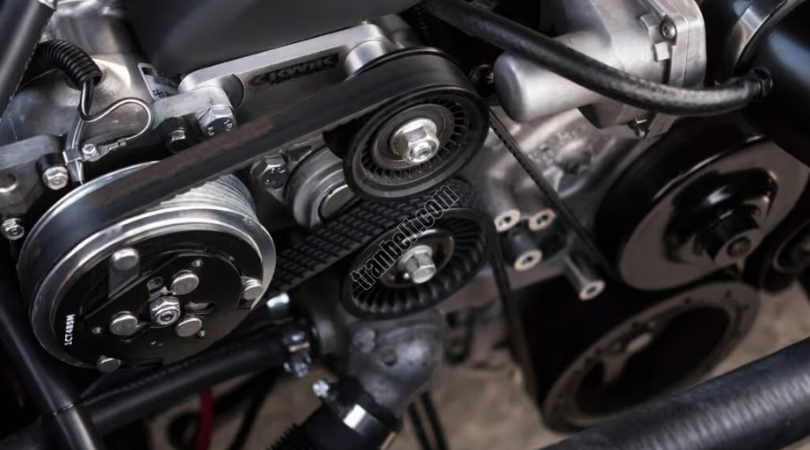
A serpentine belt is a long, rubber belt under your car’s hood. It snakes around several round parts called pulleys on your engine. This belt makes important parts work, like the alternator (which helps power your car’s electrical system), the power steering pump (which makes steering easy), and the air conditioner. If this belt is loose, these parts might not work correctly, and you might hear a squealing noise.
Tools You’ll Need Before You Start
Before you try to tighten your serpentine belt, it’s super important to have all the right tools ready. Having them laid out beforehand will make the job much easier and safer. You won’t have to stop in the middle of working to go look for something, which saves time and keeps you focused on the task.
Basic Tool List
To get this job done, you’ll need a few basic things. A ratchet and a set of sockets are usually required to turn the tensioner bolt. Sometimes, a special serpentine belt tool helps because it gives you more reach or leverage. A flashlight can also be very helpful to see in tight, dark spots under the hood of your car.
Safety Gear to Have Ready
Safety first! Always protect yourself when working on your car. You should definitely wear safety glasses to keep any dirt or fluids from getting into your eyes. A good pair of work gloves will protect your hands from grease, sharp edges, and hot parts. These simple items can prevent injuries and make your work much safer.
How to Check Serpentine Belt Tension
Checking your serpentine belt often is a smart move. This belt powers many parts of your car, like the air conditioning and power steering. If the belt is too loose or too tight, these parts won’t work right, and your car could even break down. Checking the tension helps you catch problems early and keep your car running smooth.
The Half-Inch Ruler Test
To do this test, find the longest section of the belt that’s between two pulleys. Place a ruler next to the belt. Push down firmly on the middle of that belt section with your thumb. The belt should only move down about half an inch. If it moves more than half an inch, it might be too loose. If it barely moves at all, it could be too tight.
The Twist Test (No Tools Needed)
This test is easy and doesn’t need any special tools. Find a long, straight part of the serpentine belt. Grab it firmly with your hand and try to twist it. A belt with good tension should only twist about 45 to 90 degrees (a quarter turn). If you can twist it more than 90 degrees, it’s likely too loose. If you can’t twist it much at all, it might be too tight.
Step-by-Step: How to Tighten a Serpentine Belt
Tightening your car’s serpentine belt helps it work right and keeps your engine running smoothly. This job is pretty easy if you take your time and follow these simple steps. Make sure you have the right tools, like a wrench set, before you start.
Step 1: Disconnect the Battery
Before you do any work under the hood, it’s very important to disconnect your car’s battery. This stops any electricity from flowing and keeps you safe. Use a wrench to loosen the negative battery cable (it has a minus sign, or “-” symbol) and carefully pull it off the battery post.
Step 2: Locate the Belt and Tensioner
Open your car’s hood and find the long, ribbed serpentine belt. It wraps around many round parts called pulleys on the engine. Look for the belt tensioner. This is a special pulley with an arm that pushes on the belt to keep it tight. It usually has bolts on it that you will need to adjust.
Step 3: Loosen the Pivot and Lock Bolts
On the belt tensioner, you will usually see two bolts that hold it in place. One is called the pivot bolt, and the other is the lock bolt. Use your wrench to loosen both of these bolts a little bit. You don’t need to take them all the way out, just make them loose enough so the tensioner arm can move.
Step 4: Adjust the Tension Bolt
Now, find the tension adjusting bolt. This bolt is usually separate from the pivot and lock bolts, and it helps move the tensioner arm. Turn this bolt slowly to make the tensioner push against the belt, making it tighter. The belt should feel firm, but you should still be able to twist it about a quarter turn with your fingers. Don’t make it too tight or too loose.
Step 5: Retighten All Bolts and Re-check
Once the belt feels like it has the right amount of tension, tighten the pivot bolt first, and then the lock bolt. Make sure both are very snug so the tensioner stays in place. Double-check the belt’s tension one last time to be sure it’s still correct. Finally, put the negative battery cable back on and tighten it firmly.
How Does TranBelt Supply Serpentine Belts and Kits from China?
When it comes to sourcing Serpentine Belts and Kits from China, we at TranBelt make the entire process seamless, cost-effective, and reliable. We don’t just ship products—we deliver complete drive solutions. Here’s how we do it:
- We work directly with top global belt brands and serve as their official distributor in China. This means we offer lower agent prices on original belts from brands like Bando, Continental, Gates, Megadyne, Mitsuboshi, and Optibelt—all with stable stock and fast supply.
- We also operate our own factory, so we can produce Serpentine Belts and Kits tailored to different machines and special requirements. Factory production gives us better quality control and more competitive prices, including custom belts designed to your exact specifications.
- We partner with long-term shipping providers for both air and sea freight. We help you choose the best shipping plan to save costs and ensure your order arrives safely and on time.
Looking for a reliable belt supplier in China?
Contact TranBelt now for a fast quotation and professional support.
Frequently Asked Questions
1. Can I tighten a serpentine belt myself at home?
Yes, you can. But you need the right tools, like a breaker bar or a serpentine belt tool. If you don’t feel handy or safe, get a mechanic. Be careful not to pinch your fingers.
2. How tight should a serpentine belt be?
It should be snug, but not rock hard. A good rule is: you should be able to twist the belt about half a turn with your hand. If it’s hard to twist at all, it’s too tight.
3. What happens if a serpentine belt is too loose?
A loose belt will slip. This can make your battery light come on, your power steering feel heavy, or your engine overheat. Worst case, the belt can come off, and you’ll be stuck on the road.
4. Why does my belt squeal after tightening?
You might have tightened it too much. A too-tight belt puts stress on the pulley bearings and makes a squeal. Or, the belt could be old and glazed (shiny). Tightening a worn belt won’t stop the noise.
5. How do I know if the tensioner is bad, not the belt?
Check the tensioner pulley. Try to wiggle it with your hand. If it moves side to side or makes a grinding noise when you spin it, the tensioner is bad. Also, if the belt is loose even after tightening, the spring in the tensioner is worn out.
6. Should I tighten or replace my serpentine belt?
If the belt has cracks, frayed edges, or a shiny glaze on the smooth side, replace it. Tightening won’t fix those problems. If the belt looks good but feels loose, just tighten it. If it’s over 5 years old, just replace it to be safe.
7. How long does a serpentine belt last?
Most last between 50,000 and 100,000 miles, or about 5 to 7 years. Check your car’s manual. Even if it looks okay, the rubber dries out over time, so don’t wait too long to change it.
Conclusion
So now you know exactly what a serpentine belt does and how to check if it’s too loose. You’ve seen the simple tools needed and followed every step on how to tighten serpentine belt the right way. The pain of a squeaky, slipping belt is gone. Your car will run smoother, and you don’t have to worry about sudden breakdowns anymore. You’ve got the know-how and the confidence to fix this problem yourself. That’s a win!
Now, don’t stop here. If you need a high-quality belt or just want the best deal to keep your engine safe, come to us. TranBelt is here to help you get strong, reliable belts at factory prices. Whether you need a famous brand or a custom part, we ship fast and cheap. Don’t wait until that belt snaps. Contact TranBelt now for a quick quote and let us solve your belt problems for good. You deserve easy, affordable service, and we’re ready to deliver.