Ever had that sinking feeling when your car jerks, sputters, or just stops dead on the road? That’s what happens when a timing belt gives out. It’s a nightmare, right? Did you know that ignoring this little rubber part could cost you thousands? Look, your timing belt is like the heart of your engine—if it breaks, your car becomes a paperweight. So, we all ask the same question: how long can timing belt last before it leaves you stranded? The truth is, most folks guess and pay the price later. But you don’t have to be one of them!
That’s why this article is a game-changer. I’m going to walk you through the whole deal, step by step, so you never have to worry. You’ll learn what a timing belt is and why it matters, then get the straight answer to how long does a timing belt typically last. We’ll break down key factors that affect timing belt lifespan, and even show timing belt replacement intervals by car brand in 2026. Plus, I’ll cover warning signs your timing belt is failing, compare timing belt vs timing chain: which lasts longer, and explain what happens if you don’t replace your timing belt on time. Get ready—this is exciting stuff! You’ll finally know exactly when to act, and your car will thank you.
1. What Is a Timing Belt and Why Does It Matter

A timing belt is a strong rubber belt with teeth on it, found inside your car’s engine. Its main job is to make sure that two important parts of the engine, the camshaft and the crankshaft, spin together at the right time. Think of it like a conductor making sure all the musicians play in sync. If the timing belt breaks or slips, these parts can crash into each other, causing really bad and expensive damage to your engine. That’s why keeping it in good shape is super important for your car to run right and avoid big repair bills.
2. How Long Does a Timing Belt Typically Last

Most timing belts last a good while, usually somewhere between 60,000 to 100,000 miles. Some can even go up to 120,000 miles. It’s not just about how many miles you drive, though. Time also matters, so many car makers suggest changing it every 5 to 7 years, even if you don’t drive that much. How long yours will really last depends a lot on your specific car model and how you drive it. Always check your car’s owner’s manual for the exact timing.
Key Factors That Affect Timing Belt Lifespan
How long your car’s timing belt lasts depends on a few important things. For example, how you drive your car really matters. If you’re often stuck in traffic, making lots of short trips, or driving in very hot or very cold weather, your timing belt might wear out faster. Also, if you don’t take care of your car with regular check-ups, the belt won’t last as long. Even the way your car’s engine is built can affect how quickly the belt wears down.
- How you drive (like lots of stopping and starting)
- The weather where you live (very hot or very cold)
- If you get your car checked regularly
- The type of engine your car has
3. Timing Belt Replacement Intervals by Car Brand in 2026

When it comes to changing your timing belt, there’s no one-size-fits-all answer. Different car companies recommend different times or miles for this important job. It’s kind of like how different doctors might suggest different check-up schedules. What’s right for a Toyota might not be right for a Honda or a Ford. Always check your car’s owner’s manual because it has the exact information for your specific model. But to give you an idea, here’s a general look at how often some common car brands usually suggest you change the timing belt.
4. Warning Signs Your Timing Belt Is Failing

Your car’s timing belt usually gives you hints before it completely fails. It doesn’t often just break down without any warning. Spotting these signs early can save you from bigger, more expensive problems later on. If you notice any of these things, it’s a good idea to have your car looked at by a mechanic soon.
- Strange Sounds from the Engine: You might start to hear a ticking, whining, or rattling noise coming from under the hood. This sound often gets louder when you press the gas pedal. It can mean the belt is loose, worn out, or the parts connected to it are failing.
- Engine Misfires or Runs Rough: Your engine might not run smoothly. It could shake, stutter, or feel like it’s losing power, especially when you’re driving. This happens when the timing belt isn’t keeping the engine’s internal parts working together properly.
- Engine Won’t Start: If your timing belt breaks completely, your engine will simply stop working. You’ll try to start the car, but the engine won’t turn over at all. You might just hear the starter motor spinning without the engine catching. This is a very serious sign that means the belt has failed.
- Oil Leak from the Front of the Engine: Sometimes, an oil leak can show up around the front of your engine, near where the timing belt is covered. This can happen if a seal connected to the timing belt wears out or if the cover itself gets damaged.
- Check Engine Light Comes On: Your car’s computer can sometimes detect problems with the timing belt or parts related to it. If it does, it will turn on the “Check Engine” light on your dashboard. This light can come on for many reasons, but a timing belt issue is one of them, so don’t ignore it.
5. Timing Belt vs. Timing Chain: Which Lasts Longer
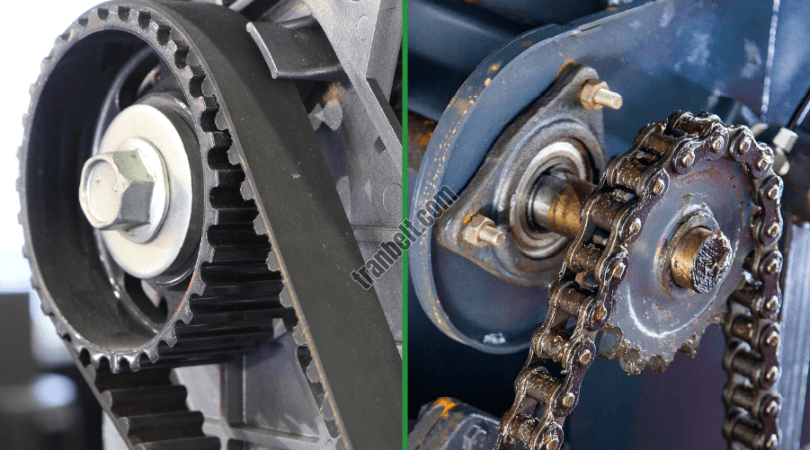
Timing belts are made from strong rubber with cords inside. They connect parts of your engine and help them move together. Because they are made of rubber, timing belts can stretch, crack, and wear out over time from heat and use. This means they don’t last forever and need to be changed after a certain number of miles or years, usually around 60,000 to 100,000 miles.
On the other hand, timing chains are made of metal, just like a bicycle chain, but much tougher. They are stronger and don’t wear out as quickly as rubber belts. Because of this, timing chains often last for the entire life of your car and usually don’t need to be replaced. This means less worry and fewer big repair bills for most car owners, though cars with chains can sometimes cost a little more to buy in the first place.
6. What Happens If You Don’t Replace Your Timing Belt on Time

If you don’t change your timing belt when your car maker says you should, really bad things can happen to your engine. This belt makes sure all the engine parts work together perfectly. If it breaks or slips, these parts can get out of sync, causing them to crash into each other. This can lead to very serious damage inside your engine, like bent valves or broken pistons. When this happens, your car might just stop running, and fixing it will be very, very expensive, often much more than simply replacing the belt on time.
7. How Does TranBelt Supply Timing Belts and Kits from China?

When it comes to sourcing Timing Belts and Kits from China, we understand that quality, price, and reliability are non-negotiable. That is why we have built a supply chain that eliminates middlemen and maximizes value for you.
- Direct Brand Partnerships: We work directly with top global belt brands and are their official distributor in China. This allows us to offer lower agent prices. We supply original belts from brands like Bando, Continental, Gates, Megadyne, Mitsuboshi, and Optibelt, with stable stock and fast supply.
- In-House Manufacturing: We also have our own factory, so we can produce belts for different machines and special needs. Factory production means better quality control and more competitive prices, including custom belts.
- Optimized Logistics: We cooperate with long-term shipping partners. Air and sea shipping are both available. We help customers choose the best shipping plan to save cost and receive goods safely and on time.
We don’t just supply parts—we deliver a complete sourcing solution with good products, good prices, and easy service.
Looking for a reliable belt supplier in China?
Contact TranBelt now for a fast quotation and professional support.8. Frequently Asked Questions
1) How long can a timing belt really last past its recommended interval?
You might get lucky and drive a few thousand miles past the recommended change date, but it’s a big risk. Timing belts are made of rubber and strong cords, and they wear out from heat and age, not just miles. Even if the belt looks fine, the rubber can get brittle and snap without warning. Most mechanics say don’t push it past 10-15% over the recommended interval, if that. Playing it safe is way cheaper than a new engine.
2) Does a timing belt last longer on low-mileage vehicles?
Not really, no. A timing belt wears out from time just as much as from driving. If a car sits in a garage for years with low miles, the rubber dries out, cracks, and gets hard. A belt that’s 8 or 10 years old, even with only 30,000 miles, can fail just as fast as one with 100,000 miles. Time and heat are the real enemies, not just odometer numbers.
3) Can you visually inspect a timing belt yourself?
You can check a small part of it through the inspection window or by removing a cover, but it’s not easy to see everything. Look for cracks, shiny spots, fraying, or missing teeth. But belts often break from the inside or from a hidden weak spot you can’t see. A worn-out belt can look brand new on the outside. For a real check, let a mechanic take a look.
4) What happens if a timing belt breaks while driving?
That depends on your car’s engine type. On most modern cars, it’s a huge problem. The engine stops running instantly, and you’ll hear a loud clunk or bang. In “interference” engines, the pistons hit the valves, bending them and damaging the cylinder head. That costs thousands to fix. In “non-interference” engines, you just stop and need a tow, but no major damage. Either way, you’re stuck on the side of the road.
5) Is it worth replacing a timing belt on a high-mileage car?
Often yes, but do the math. If the car runs well otherwise and is in good shape, a new timing belt can give you more worry-free miles. If the car has 200,000 miles and tons of other problems like a bad transmission or rust, it might not be worth it. But a timing belt replacement is much cheaper than buying a new car. For most people, it’s a smart investment.
6) How much does timing belt replacement cost in 2026?
In 2026, you can expect to pay between $500 and $1,200 for most cars. Simple four-cylinder engines are on the cheaper end, while big V6 engines or luxury cars cost more because they’re harder to work on. Parts are only about $50 to $150, the rest is labor. If you also replace the water pump and tensioners at the same time, it adds maybe $200-400 more. Get quotes from a few shops.
7) Does the type of oil used affect timing belt lifespan?
Not directly. Engine oil does not touch the timing belt in most cars because it’s sealed inside the engine with a cover. But using the wrong or old oil can cause the engine to run hotter or create more wear on parts like the water pump and tensioner, which are connected to the belt. If those parts fail, they can mess up the belt. So good oil helps your whole engine last longer, which includes the timing belt system.
9. Conclusion
So, there you have it. You now know exactly how long can timing belt last in 2026. We walked through what a timing belt does, why it’s so important, and how long it usually lasts. We looked at the key things that affect its life, like driving habits and weather, and we gave you the replacement intervals for popular car brands. We even covered the warning signs—like squealing noises or a rough idle—and explained why a timing chain is different. Most of all, we showed you what happens if you skip the replacement: serious engine damage. So all those pain points are now solved. Your questions about timing belt life, warning signs, and replacement timing are answered. You can now feel confident and in control of your car’s health!
Now, don’t wait for that belt to snap. Take action today and protect your engine. If you need a new timing belt, a timing chain, or any other power transmission part, let us help you. TranBelt is your trusted partner. We work directly with top global brands like Gates and Continental, so you get the real deal at a fair price. Our own factory makes custom belts too, and we handle fast, safe shipping. Just contact TranBelt now for a quick quote and expert support. Solve your belt problem for good and keep your ride running smooth. You deserve that peace of mind!