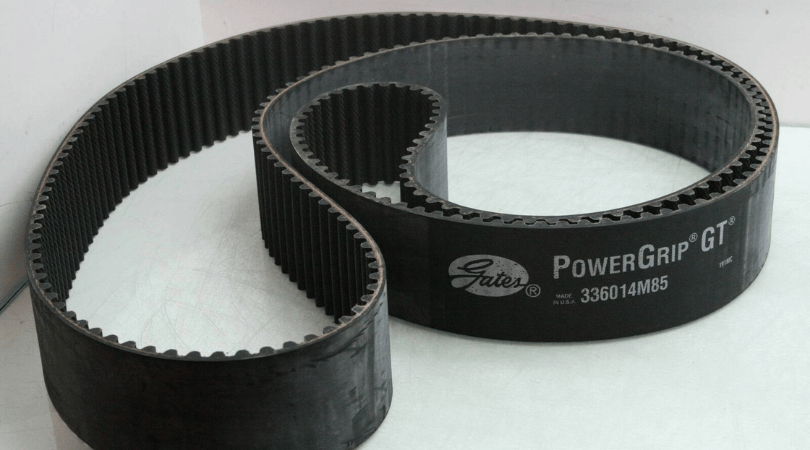
You’re tired of your conveyor belts melting, cracking, or catching fire under high temperatures, right? It’s frustrating when production stops because a belt gives out. Did you know that a single belt failure can cost your facility thousands in lost hours? You might be asking, “Can any belt really stand up to scorching heat without falling apart?” Well, here’s the good news: the right conveyor belt heat resistant technology is here to save your day and your budget. In 2026, these belts are tougher and smarter than ever.
This article will walk you through everything you need to know, step by step. First, we’ll explain what is a heat resistant conveyor belt and how does a heat resistant conveyor belt work, so you understand the basics. Then, we’ll break down the types of heat resistant conveyor belts and the key materials and construction that make them last. Finally, we’ll show you the industries that rely on heat resistant conveyor belts so you can see where this solution fits your shop. Get ready to ditch downtime for good—let’s dive in with excitement!
What Is a Heat Resistant Conveyor Belt?
A heat resistant conveyor belt is a special kind of belt used to move very hot items. Regular conveyor belts would melt or get damaged when moving materials like hot ash, cement, or metal. These special belts are made from strong materials that can handle high temperatures without breaking down. They are important in places like steel factories, foundries, and power plants where hot stuff needs to be moved safely from one spot to another.
How Does a Heat Resistant Conveyor Belt Work?
A heat resistant conveyor belt works by using special materials that can handle very hot stuff without getting damaged. These belts have layers made of tough rubbers or fabrics mixed with things that don’t melt or burn easily, even when touching hot materials like sand, cement, or metal parts. These layers protect the belt’s body and keep it from breaking down, cracking, or getting soft when it’s moving hot items. This way, the belt can keep working safely and move hot products from one place to another without problems.
Types of Heat Resistant Conveyor Belts
When you need a conveyor belt to move things that are very hot, you have a few good choices. These belts are made from special materials that can stand up to high temperatures without breaking down or melting. Choosing the right kind depends on how hot your items are and what your job needs, like if it’s for food, heavy parts, or things coming out of an oven.
Rubber Heat Resistant Belts (EPDM & SBR)
Rubber heat resistant belts, especially those made from EPDM (Ethylene Propylene Diene Monomer) or SBR (Styrene Butadiene Rubber), are popular for many warm jobs. EPDM belts can handle heat up to around 350°F and are good for moving hot, dry stuff like sand or asphalt. SBR belts are a bit less heat resistant but still work for warm items, and they often cost less, making them a good option for jobs that are hot but not extreme.
Silicone and Fiberglass Belts
For much hotter jobs, silicone and fiberglass belts are often used because they can handle very high temperatures. Silicone belts can work in heat up to 500°F or even more, and they’re great for food factories because they don’t stick and are safe. Fiberglass belts are even tougher and can stand up to extreme heat inside big ovens or furnaces, making them perfect for baking, drying, or heating products where other materials would fail.
Steel Mesh Heat Resistant Belts
When products are extremely hot, like just coming out of a furnace or oven, steel mesh belts are the best choice. These belts are made from strong metal wires woven together, so they can take heat that would melt almost anything else. They let air pass through, which helps cool down hot items, and they’re very strong for moving heavy, hot things in places like metal plants or glass factories.
Key Materials and Construction
Heat resistant conveyor belts are built tough to handle really hot stuff without breaking down. They use special kinds of rubber for the outside part and strong fabrics on the inside. This smart design helps the belt stay strong and flexible, even when it’s moving materials like hot ash or molten metal. Every part is picked to make sure the belt lasts a long time and keeps working in very hot places.
Cover Compounds: EPDM, Silicone, Fluoroelastomers
The outer layer of the belt, called the cover, is super important for fighting off heat. EPDM rubber is a common choice because it handles a lot of heat and doesn’t crack easily. For even hotter jobs, silicone rubber works better because it can stand up to much higher temperatures and stays flexible. When the belt needs to resist extreme heat and harsh chemicals too, fluoroelastomer rubber is used as it’s the strongest option for those tough conditions.
Reinforced Carcass: Polyester and Aramid Fibers
Underneath the heat-fighting cover, there’s a strong inside part called the carcass. This part is like the backbone of the belt, giving it strength and stopping it from stretching out of shape. It’s made with tough threads like polyester and aramid fibers. Polyester fibers are strong and stable, while aramid fibers are extra strong and can handle a lot of heat, making the belt super durable for carrying heavy, hot loads.
Multi-layer and Carbonized Layer Design
These special belts are not just one thick piece; they have many layers stacked together. This multi-layer design makes them much stronger and helps them spread out the heat better across the belt. Some belts even have a unique “carbonized” layer. This layer is designed so that if it gets really, really hot, it forms a hard, protective shield that keeps the rest of the belt safe from extreme temperatures and fire.
Industries That Rely on Heat Resistant Conveyor Belts
Many businesses deal with extremely hot materials every day. They need special conveyor belts that won’t melt, burn, or break when things get very hot. These heat-resistant belts are a must-have for moving hot items safely and keeping factories running smoothly without costly stops.
Steel, Cement, and Mining
In steel mills, cement factories, and mining operations, materials get incredibly hot. Think about hot steel slabs, red-hot cement clinker, or heated-up ores. Regular belts would quickly get ruined by these high temperatures. Heat-resistant belts are strong enough to carry these scorching-hot items, making sure production keeps moving.
Glass and Aluminum Production
Making glass and aluminum means working with very hot stuff, like molten glass or newly formed aluminum parts fresh from a hot furnace. Conveyor belts in these places must be able to handle this intense heat without falling apart. They help move these super-hot products safely from one step to the next.
Food Processing and Baking
Even in food factories, belts need to stand up to heat. This is true when moving fresh-baked goods right out of hot ovens or carrying fried foods. Some belts even work inside ovens for things like baking cookies or bread continuously. These special belts make sure food can be processed and baked without the belt getting damaged.
How Does TranBelt Supply Conveyor Belts and Kits from China?
When it comes to sourcing Conveyor Belts and Kits from China, we know you need more than just a product—you need reliability, speed, and value. At TranBelt, we simplify the entire supply chain so you get good products, good prices, and easy service every time. Here’s how we make it happen:
- Direct partnerships with top global brands – We work as official distributors for industry leaders like Bando, Continental, Gates, Megadyne, Mitsuboshi, and Optibelt. This means lower agent prices, stable stock, and fast supply of original belts.
- Our own factory for custom solutions – Because we manufacture in-house, we maintain superior quality control and can produce custom belts and kits tailored to your specific machines. Factory-direct pricing gives you a competitive edge.
- Optimized shipping with trusted partners – We offer both air and sea freight options and help you choose the best plan to save costs while ensuring safe, on-time delivery.
Looking for a reliable belt supplier in China?
Contact TranBelt now for a fast quotation and professional support.
Frequently Asked Questions
1. What temperature can a heat resistant conveyor belt handle?
Heat resistant belts can handle different temperatures based on their make. Some work well up to 200°F, while stronger ones can take heat up to 500°F or more. Always check the label or ask the maker for the exact limit.
2. What is the best material for a heat resistant conveyor belt?
The best material is usually silicone or Teflon. These materials don’t melt or get weak when hot. For very high heat, some belts use special rubber blends with fiber layers.
3. How long does a heat resistant conveyor belt last?
It depends on how hot the stuff is and how often you use the belt. On average, a good belt can last between 6 months and 2 years. High heat and heavy use can make it wear out faster.
4. Are heat resistant belts also fire resistant?
Not always. Heat resistant belts stop damage from high heat, but fire resistant belts are made to not catch fire. Some belts are both, but you should read the specs to be sure.
5. Can heat resistant belts be used in food processing?
Yes, many are made for food work. Look for belts labeled “food grade.” These belts are safe and clean, and they don’t let chemicals get into your food.
6. How do I know when to replace my heat resistant belt?
Replace it when you see cracks, hard spots, or if the belt starts to slip or smell burnt. If the surface feels rough or melted, it’s time for a new one.
7. What is the difference between heat resistant and standard conveyor belts?
Standard belts get soft or break in high heat. Heat resistant belts are built with special materials like silicone or rubber blends so they stay strong and don’t melt. They cost more but last longer in hot jobs.
Conclusion
You’ve just learned what a heat resistant conveyor belt is, how it works, and the different types built to handle high temperatures. We also covered the strong materials used in these belts and the industries that depend on them every day. By now, the main pain points you might have had—like belts melting, cracking, or failing too fast—should feel solved. You understand that a quality conveyor belt heat resistant design is the real answer to keeping your work moving safely and without constant breakdowns. Your questions are answered, and you know what to look for.
Now it’s your turn to take action. Stop struggling with belts that can’t take the heat. Let TranBelt help you get the right conveyor belt heat resistant solution for your job. We work with top global brands and our own factory, so you get good products, low prices, and easy service. Whether you need a standard belt or a custom one, we’ll ship it fast by air or sea. Don’t wait another day—contact TranBelt now for a quick quote and start solving your problem for good!