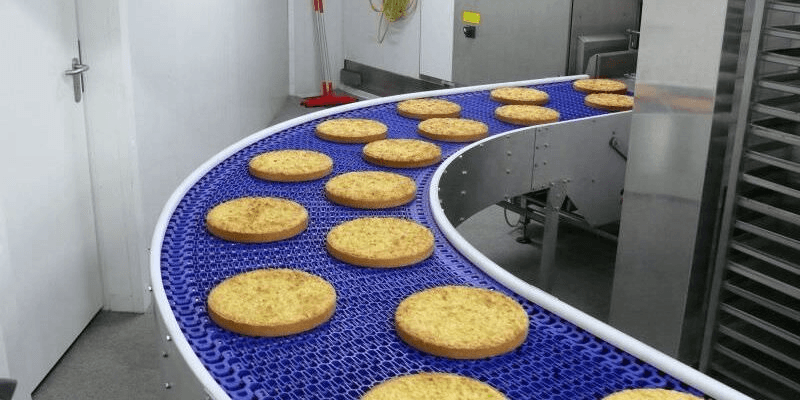
Have you ever seen food stuck on a moving line in a factory? That mess can spoil your food and cost you money. Do you worry about keeping your products clean and safe? Here is a jaw-dropping fact: dirty belts can ruin thousands of pounds of food in just one minute! A food grade conveyor belt stops that nightmare. It keeps your food clean, your machines running, and your customers happy. No more headaches, no more waste—just smooth, safe work!
This article will solve your problems step by step. First, we’ll explain What Is a Food Grade Conveyor Belt? so you get the basics. Then, you’ll discover the best Materials Used in Food Grade Conveyor Belts and Types of Food Grade Conveyor Belts to choose from. We’ll break down Food Safety Standards You Should Know to keep you out of trouble. Finally, we’ll show Common Applications in the Food Industry where these belts shine. Get ready to feel excited about easy, clean production!
1. What Is a Food Grade Conveyor Belt?
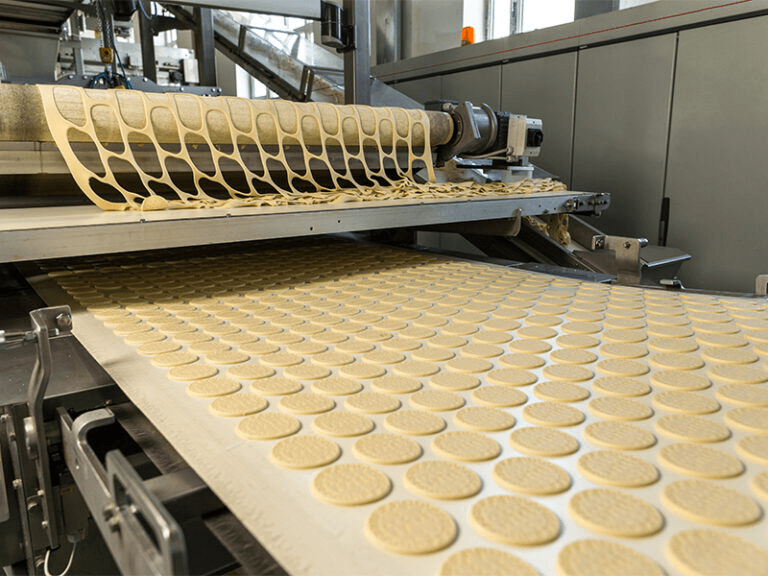
A food grade conveyor belt is a special type of moving belt used in places where food is made and packed. Its main job is to move food products in a very clean and safe way. This kind of belt is designed to stop germs and bad stuff from getting onto our food. It’s really important for keeping food safe to eat and for meeting government rules about how food should be handled. Using these belts helps make sure the food we buy is clean and healthy.
2. Materials Used in Food Grade Conveyor Belts

Food grade conveyor belts are made from different materials, each chosen for specific tasks in food processing. These materials have special features like being easy to clean, resisting oils, or handling hot and cold temperatures, which makes them right for different kinds of food and ways of making it.
PVC (Polyvinyl Chloride)
PVC belts are a popular choice because they don’t cost a lot and are very flexible. They work well for moving lighter food items in places like bakeries or snack factories. They are good for everyday jobs where you don’t need a super strong or oil-resistant belt.
PU (Polyurethane / Thermoplastic Polyurethane)
PU belts are known for being very tough and lasting a long time. They don’t wear out easily and can handle oils and fats very well, which is common in food production. These belts are safe for food to touch directly and are often used for things like meat, poultry, or dairy products.
Silicone and PTFE
Silicone and PTFE are special materials used for high-performance jobs. Food doesn’t stick to these belts easily, which helps keep things clean. They can also work in very hot ovens or very cold freezers, making them perfect for baking, freezing, or cooking processes.
Modular Plastic and Stainless Steel Mesh
Modular plastic and stainless steel mesh belts are built to be very strong and last a long time. They are designed to be super easy to clean, which is very important for food safety. These belts are great for heavy-duty work or special jobs like washing, draining, or cooling food products.
3. Types of Food Grade Conveyor Belts
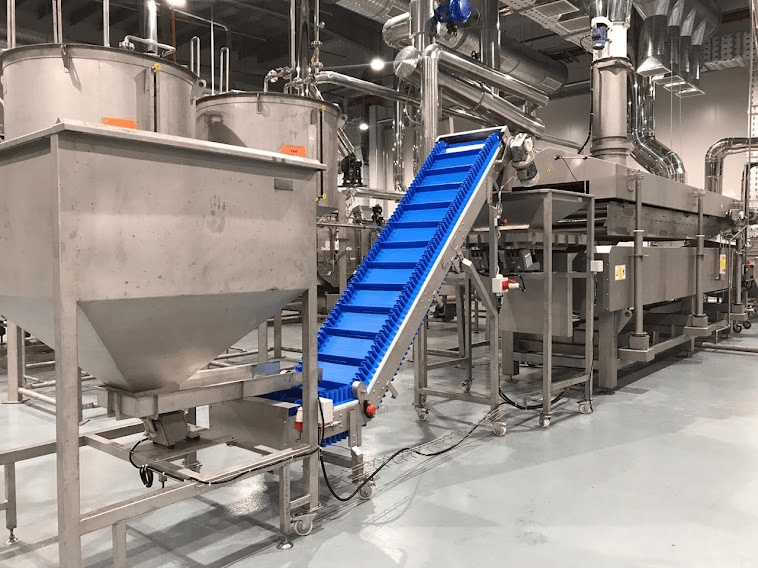
There are several main kinds of conveyor belts used in food factories, and each one is made for a special job. Some belts work best for moving raw ingredients, while others are better for cooking, cooling, or moving packaged foods. Picking the right type of belt helps keep food safe and makes sure it moves smoothly through the factory.
Flat Belt Conveyors
Flat belt conveyors are very common because they are simple and reliable. They use a continuous flat loop of material to carry products. These belts are great for moving many kinds of food, like fresh fruits, vegetables, or even baked goods, from one spot to another without any trouble. They are often used for general transport in food processing.
Modular Belt Conveyors
Modular belt conveyors are built from many small plastic pieces that link together, like LEGO bricks. This design makes them very strong and easy to clean or fix if one part gets damaged. They are also flexible and can handle different shapes and sizes of food products well, making them popular for many food handling tasks.
Wire Mesh Belt Conveyors
Wire mesh belts are made from metal wires woven together, creating an open, screen-like surface. This open design lets air, water, or heat pass right through the belt. They are perfect for foods that need to be baked, fried, cooled quickly, or drained, such as bread, snacks, or frozen items, because of their excellent airflow.
Tabletop Chain Conveyors
Tabletop chain conveyors have a wide, flat top surface made of many connected links, usually plastic. They offer a very steady and smooth path for products. These conveyors are mostly used for carrying bottles, cans, jars, or other packaged food items upright, making sure they don’t fall over as they move through the production line.
4. Food Safety Standards You Should Know
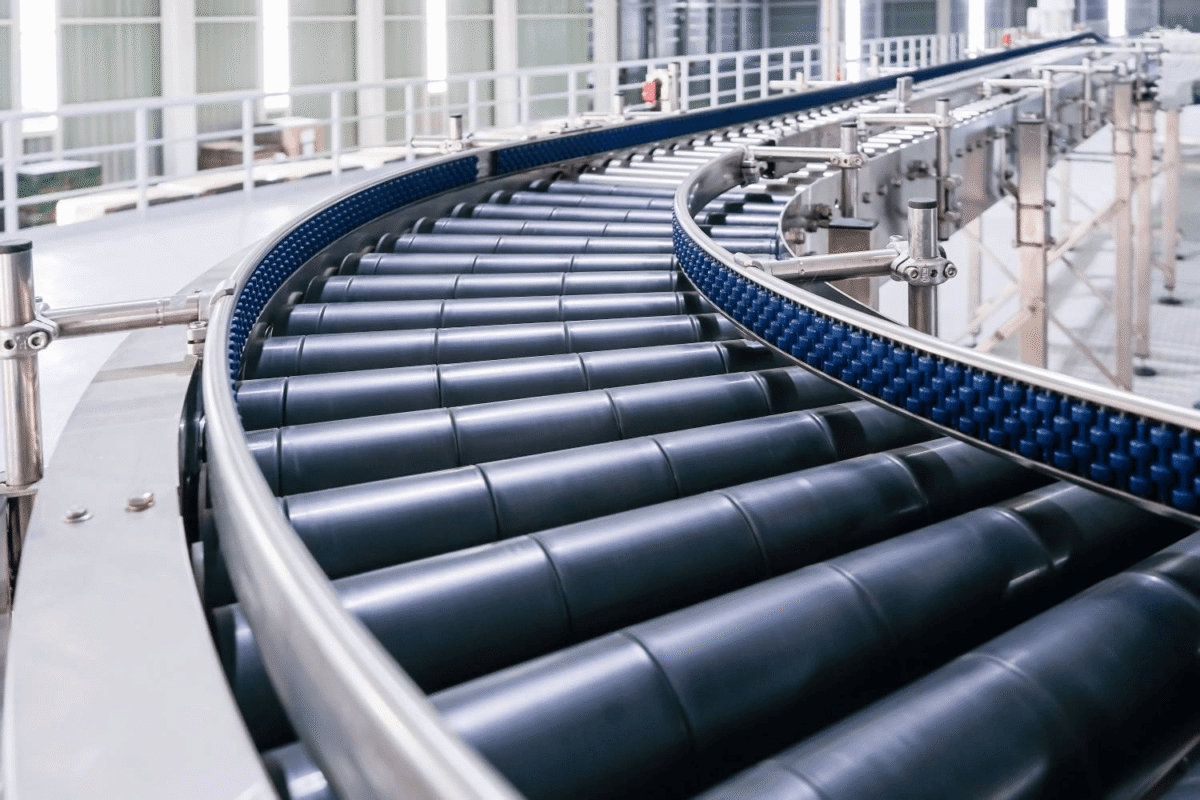
When we make food for people, it’s super important to keep it clean and safe. Special rules, called food safety standards, help make sure of this. These rules tell us what kind of conveyor belts we can use in food factories. They cover what the belts are made of and how they are used, all to stop bad germs or harmful stuff from getting into our food. Following these rules helps keep everyone healthy and makes sure our food is good to eat.
What FDA and USDA Approval Really Means
When you see a conveyor belt is “FDA approved” or “USDA approved,” it means two important government groups have checked it out. The FDA (Food and Drug Administration) and USDA (United States Department of Agriculture) make sure the materials used for the belt won’t hurt the food. This approval tells you the belt won’t put bad chemicals into your food or cause sickness. It’s like a special safety stamp from the government, saying the belt is safe to touch food.
How to Tell If a Belt Is Truly Food Grade
Finding a real food-grade belt is important. First, always look for papers or labels that show it’s certified by groups like the FDA or USDA. These are like official reports that prove the belt is safe. The belt material itself should be smooth, not bumpy, and easy to clean so germs can’t hide. Also, buy your belts from companies you trust. A good company will give you all the information and proof you need to show their belts are safe for food.
5. Common Applications in the Food Industry
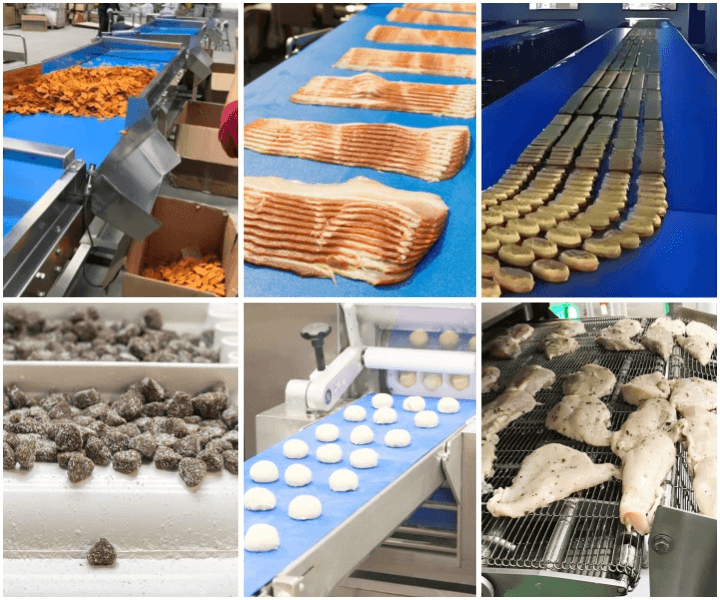
Food-grade conveyor belts are used in almost every part of making food. They move food from one step to the next, like from washing to cutting, or from cooking to packing. Different foods and different jobs need different kinds of belts. Some belts need to be super clean, some need to handle hot things, and others need to handle cold things without breaking.
Meat, Poultry, and Seafood Processing
When you process raw meat, chicken, or fish, the belts need to be very clean. This is because germs can spread easily. The belts also have to be strong so they don’t break when moving heavy or sharp pieces. They must be easy to wash and not get spoiled by blood or fats. This stops bad stuff from getting into the food.
Bakery, Confectionery, and Dairy
In places that make bread, cakes, candy, or cheese, the belts have special needs. They often need to be smooth so dough or sticky candy doesn’t get stuck. They also need to move things gently so cookies or pastries don’t break. Some belts also have to handle warm items, like fresh bread, or cold items, like milk products.
Frozen Foods, Packaging, and Inspection Lines
For frozen foods like vegetables, pizzas, or ice cream, belts need to work in very cold rooms. They must not get stiff or break when it’s freezing. For packaging, belts move food items precisely, meaning exactly where they need to go. This can be slow for people to check food, or fast for machines to wrap it up neatly.
6. How Does TranBelt Supply Conveyor Belts and Kits from China?
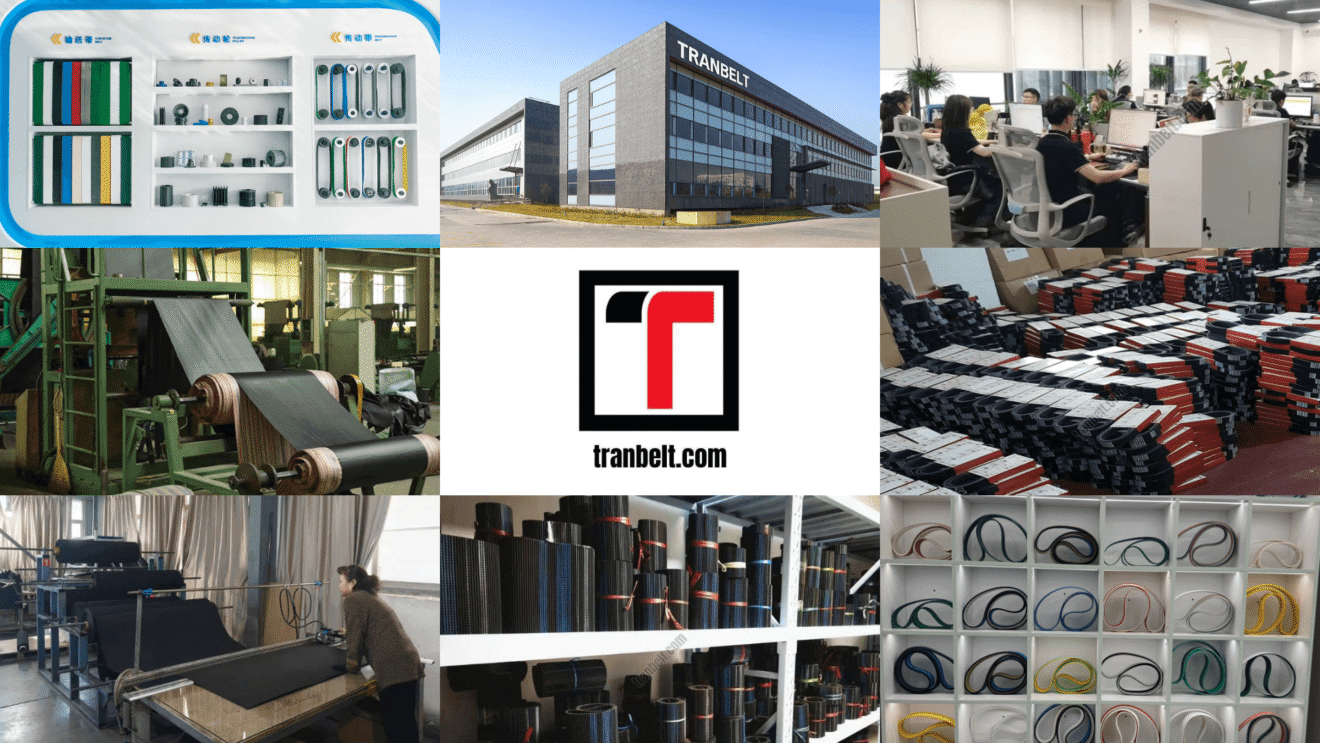
When it comes to sourcing Conveyor Belts and Kits from China, we know you need more than just a product—you need a partner who guarantees quality, competitive pricing, and hassle-free logistics. At TranBelt, we make the entire process seamless and transparent. Here’s exactly how we do it:
- We work directly with top global belt brands and are their official distributor in China. This means we offer you lower agent prices on genuine belts from industry leaders like Bando, Continental, Gates, Megadyne, Mitsuboshi, and Optibelt—all with stable stock and fast supply.
- We also own our factory, so we can produce custom Conveyor Belts and Kits tailored to your specific machinery and application needs. Factory-direct production gives us better quality control and more competitive prices, whether you need standard or custom-designed belts.
- We partner with long-term shipping providers for both air and sea freight. Our team helps you choose the optimal shipping plan to save costs while ensuring your order arrives safely and on time.
Looking for a reliable belt supplier in China?
Contact TranBelt now for a fast quotation and professional support.
7.Frequently Asked Questions
1) What makes a conveyor belt food grade?
A food grade conveyor belt is made from materials that are safe to touch food. These belts do not have harmful chemicals that can move into the food. They are also easy to clean and do not soak up liquids or crumbs. The belt must pass strict tests to make sure it is safe for food use.
2) Which material is best for food conveyor belts?
The best material depends on what kind of food you move. For dry food like bread or cookies, PVC belts work well. For wet or oily food, polyurethane or silicone belts are better. Stainless steel belts are also good for very hot or cold foods. Each material has a special job, so pick the one that fits your food.
3) Can these belts handle very hot or very cold temperatures?
Yes, some food grade belts can handle both. For example, silicone belts work well from very cold freezers to very hot ovens. But not all belts can do this. You need to check the belt’s temperature range before you buy it. Always pick a belt that matches the heat or cold in your kitchen.
4) How often should food grade conveyor belts be cleaned?
You should clean food grade belts every day after using them. If you move raw meat or dairy, you might need to clean them more often, like every few hours. Good cleaning stops germs from growing on the belt. Always follow the safety rules from your health department for cleaning.
5) What is the difference between FDA and USDA approved belts?
FDA approved belts are safe for food contact and meet rules from the Food and Drug Administration. USDA approved belts go through even tougher checks. They are for places that handle meat, poultry, or eggs. So USDA belts are stricter, but both are safe to use. Pick USDA if you work with meat.
6) How long does a food grade conveyor belt last?
A food grade belt can last anywhere from 1 to 5 years. It depends on how often you use it, what food you move, and how well you clean it. A belt used every day with heavy food might wear out faster. Checking and cleaning it the right way helps it last longer.
7) Are PVC belts safe for direct contact with food?
Yes, many PVC belts are safe for direct contact with food. Look for belts that say “FDA approved” or “food grade” on the label. These PVC belts do not have bad chemicals. But do not use PVC belts with very hot food or oil, because that can make them unsafe. Always read the product guide first.
8. Conclusion
Now you know everything about a food grade conveyor belt—from the materials and types to the safety rules and real-world uses. Based on our outline, we covered all the important parts. So the pain points of choosing the right belt, understanding the different materials, and making sure it meets food safety standards are now solved. You don’t have to worry about picking the wrong belt or breaking any rules. Most of your questions have clear answers right here.
Now it’s time to take action! If you need a food grade conveyor belt for your business, let us handle it for you. At TranBelt, we work directly with top global brands and have our own factory, so you get good products, fair prices, and easy service. Just contact us today for a fast quote and professional help. We’ll help you get the right belt quickly and save you money. Don’t wait—reach out now!