Is your conveyor belt constantly breaking down, stopping your whole operation dead in its tracks? You’re not alone—many workers get frustrated when a belt tears or comes apart at the worst possible time. Did you know that a single unplanned belt failure can cost hundreds of dollars in lost work? You might be asking, “Why does this keep happening?” The truth is, the problem is often a weak splice. But don’t worry—learning the right conveyor belt splicing techniques can turn that headache into smooth, nonstop performance for years to come.
In this article, we’ll walk you through everything you need to stop those painful breakdowns. You’ll first discover the Types of Conveyor Belt Splicing Methods so you know all your options. Then, we’ll show you How to Choose the Right Splicing Method for your specific job. After that, you’ll get a clear Step-by-Step Conveyor Belt Splicing Procedure anyone can follow. Finally, we will cover the Common Conveyor Belt Splicing Mistakes to Avoid, so you never make the same errors twice. Get ready—you’re about to become the splicing expert on your team
1. Types of Conveyor Belt Splicing Methods
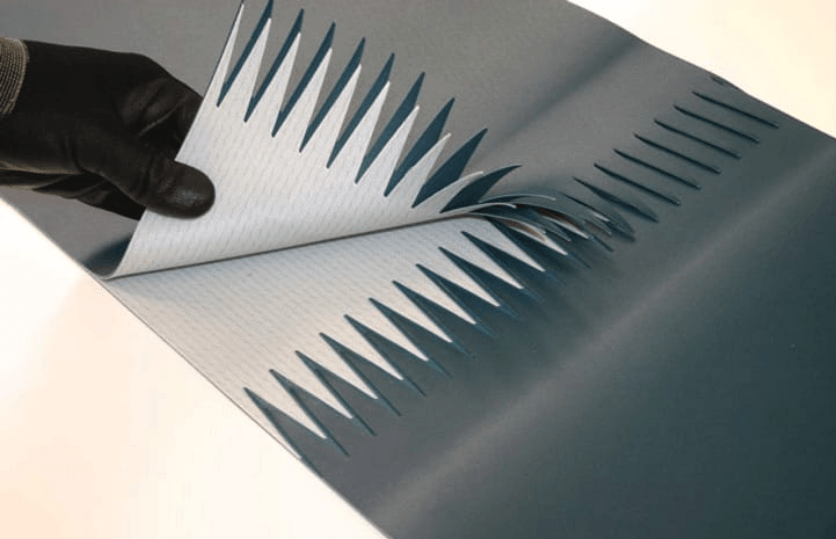
There are different ways to join conveyor belts, each with its own benefits. These methods make sure the belt works well and lasts a long time. Some ways are good for a quick fix, while others create a super strong connection for heavy loads. Choosing the right method depends on how much weight the belt carries, how fast it moves, and how long you need the splice to last.
Mechanical Splicing (Fasteners)
Mechanical splicing uses metal or plastic fasteners, like big staples or clips, to quickly join the ends of a conveyor belt. This method is easy to do and doesn’t take much time. It’s often used for temporary fixes or on belts that don’t carry very heavy materials or run at very high speeds. While it’s convenient, it might not be as strong as other methods.
Hot Vulcanization
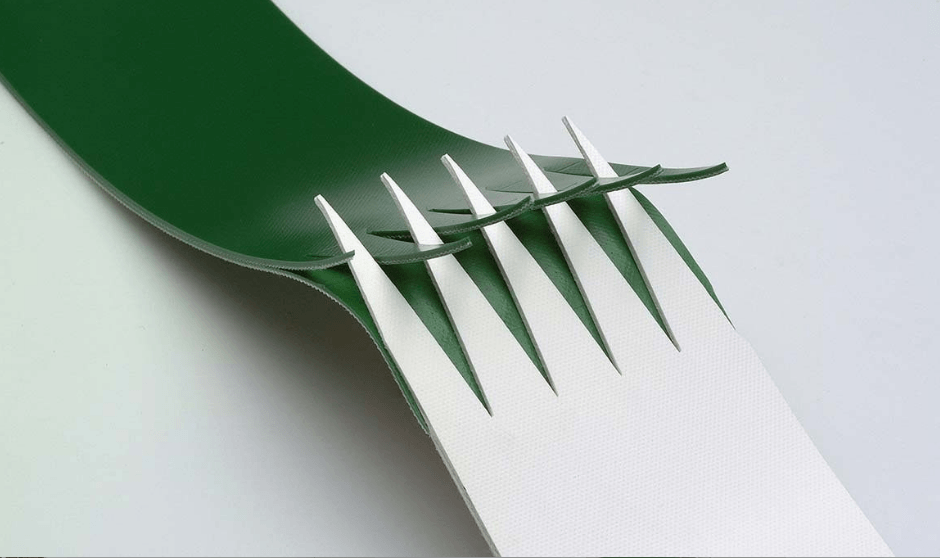
Hot vulcanization is a powerful way to join conveyor belts by using a lot of heat and pressure. This process basically melts the belt material together, creating a smooth, seamless bond that is very strong, like the belt was never cut. It’s the best choice for belts that work hard, carry heavy loads, and need to last a very long time in tough conditions.
Cold Vulcanization
Cold vulcanization uses special glues and chemicals to join belt ends without needing heat. This method is done at regular room temperature. It makes a strong connection that is much better than mechanical fasteners, but usually not as strong as hot vulcanization. Cold splicing is good when you need a durable fix but can’t use heat, or when you want a balance of strength and easy application.
Screw Splicing
Screw splicing is a simple way to connect conveyor belts using screws or bolts to hold the belt ends together. This method is known for being easy to put in place and not needing special tools that are hard to use. It’s often picked for certain jobs where you need a quick and straightforward fix, or when the belt is not under extreme stress, making it a handy option for specific situations.
2. How to Choose the Right Splicing Method
Picking the best way to connect your conveyor belts is very important for how well they work and how long they last. You need to think about what your belt is made of, what it carries, and how much money you want to spend. Making a smart choice here helps keep your operations running smoothly without many problems.
Belt Material and Load Type
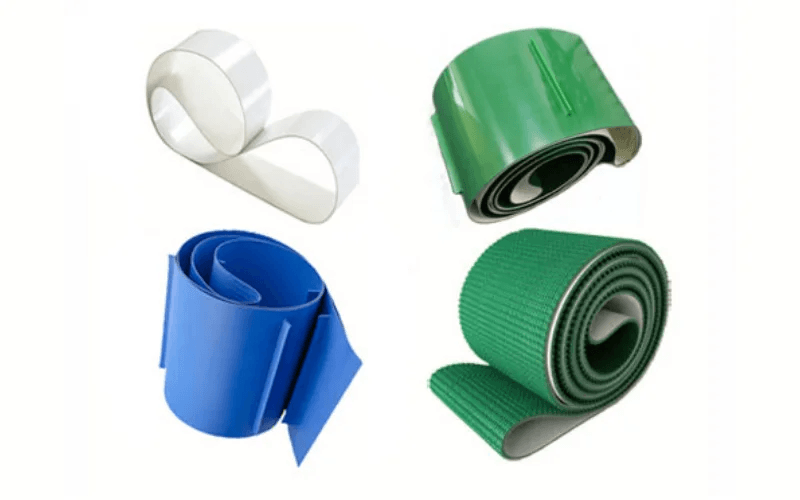
The kind of material your belt is made from, like rubber or PVC, and what it moves, such as heavy rocks or light packages, really affects which splicing method you should use. Some belt materials need a specific type of splice to hold strong. Belts carrying very heavy or sharp items also need an extra strong and reliable splice to prevent breaks.
Conveyor Speed and Environment
The speed at which your conveyor belt runs and the conditions it works in are big factors. A very fast belt needs a super strong and smooth splice to avoid shaking and coming apart. Also, if the belt works in hot, cold, wet, or dusty places, the splice must be tough enough to handle those difficult conditions without failing.
Downtime Tolerance and Budget
How long you can afford to stop your conveyor belt and how much money you have available play a role in your decision. Some ways to splice are quicker to do, meaning less downtime, but they might cost more or not last as long. If you can’t stop the belt for very long, you might choose a faster, maybe more expensive, method. If you have more time and a smaller budget, a different splicing option might be better for you.
3. Step-by-Step Conveyor Belt Splicing Procedure
Splicing a conveyor belt means joining its two ends together so it can run like one long loop. This is a very important job to make sure the belt works right and lasts a long time without breaking down. There are a few key steps you need to follow carefully, one after the other, to get a strong and reliable connection.
Step 1: Cut and Prepare the Belt Ends
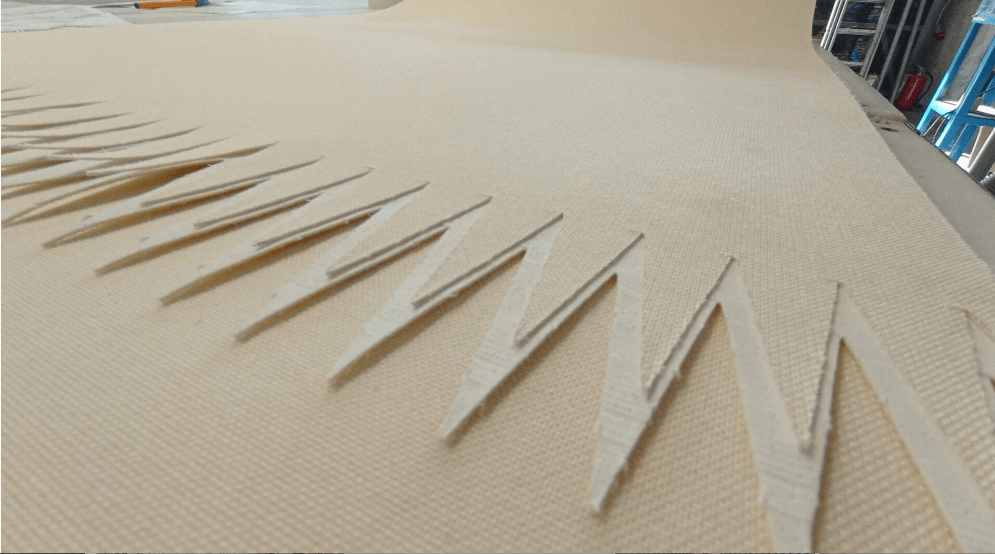
The very first thing you do is cut the ends of the conveyor belt. It’s super important to make sure these cuts are straight and clean. If the ends aren’t cut just right or don’t line up perfectly, the splice won’t be strong, and the belt could break. Taking your time here means the whole job will be much better.
Step 2: Clean and Buff the Surfaces
Once the belt ends are cut, you need to clean them really well. Get rid of any dirt, grease, oil, or old rubber that might be on the surface. Sometimes, you also need to “buff” or rough up the surface a little. This helps whatever you use to join the belt (like glue or fasteners) stick much better, making the splice stronger and more secure.
Step 3: Apply Fasteners or Adhesive
Now it’s time to actually join the belt ends. You will either use special metal pieces called fasteners that bolt or clip the ends together, or you will use a very strong glue, also called adhesive, to bond them. It’s important to follow the directions for the specific fasteners or glue you are using to make sure you put them on correctly and safely.
Step 4: Cure and Inspect the Splice
If you used glue, it needs time to “cure,” which means to dry and harden completely. Don’t try to use the belt too soon. Once everything is set, always look closely at your work. Make sure the splice looks smooth, strong, and feels secure. A good inspection helps you know the belt is ready and safe to start moving materials.
4. Common Conveyor Belt Splicing Mistakes to Avoid

When you join two ends of a conveyor belt, it’s called splicing. If you make mistakes during this job, it can cause big problems. These errors can make the belt not work as well, break down faster, or even be dangerous for people working around it. Knowing what to avoid helps keep everything running smoothly and safely.
Poor Cuts and Surface Prep
One common mistake is not cutting the belt ends straight or not cleaning them well enough. If the cuts aren’t exact, the parts won’t fit together perfectly. Also, if there’s dirt, grease, or dust on the belt ends, the glue or materials won’t stick properly. This makes the splice weak, and it won’t last as long as it should, causing the belt to fail sooner.
Rushing the Curing Process
After you put the splice together, it needs time to set and get strong. This is called curing. Many people try to rush this step, but it’s a big mistake. If you don’t give the splice enough time to fully dry and bond, it will be weak and likely break apart quickly. This means more downtime and more work to fix it again.
Using the Wrong Method for the Job
There are different ways to splice a conveyor belt, and each one is best for certain types of belts and how they are used. A common error is using a splicing method that doesn’t fit the belt’s material or the kind of work it does. For example, a method good for a light belt in a gentle job might not work for a heavy belt carrying tough materials. Picking the wrong method can lead to the splice failing often.
5. How Does TranBelt Supply Conveyor Belts and Kits from China?
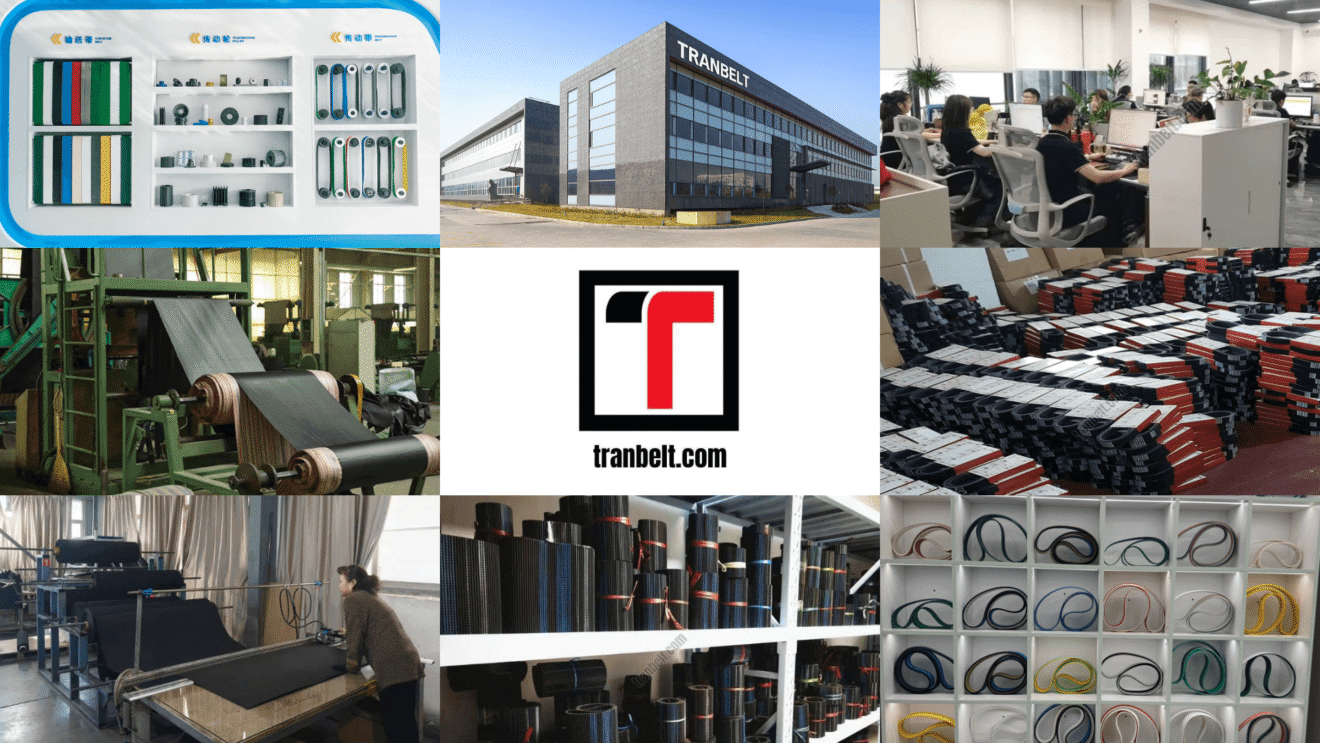
When it comes to sourcing Conveyor Belts and Kits from China, we understand that reliability, quality, and cost-efficiency are non-negotiable. That’s why we’ve built a supply chain that works for you. As your one-stop partner, we don’t just ship products—we deliver solutions.
Here’s how we make it happen:
- Direct Partnership with Top Global Brands: We work directly with leading belt manufacturers like Bando, Continental, Gates, Megadyne, Mitsuboshi, and Optibelt as their official distributor in China. This means lower agent prices for you, plus stable stock and fast supply of genuine original belts.
- In-House Factory Production: We also operate our own factory, giving us full control over production. Whether you need standard conveyor belts or custom belts for specialized machines, our factory ensures better quality control and more competitive prices—every time.
- Flexible & Reliable Shipping: We partner with long-term shipping carriers to offer both air and sea freight. Our team helps you choose the best shipping plan to save costs while ensuring your goods arrive safely and on time.
Looking for a reliable belt supplier in China? - Contact TranBelt now for a fast quotation and professional support.
6. Frequently Asked Questions
1) What is conveyor belt splicing?
Conveyor belt splicing is the way you join two ends of a conveyor belt together to make one long loop. Think of it like sewing two pieces of fabric so they work as one piece. This fixes a broken belt or connects new belt ends so your conveyor system can keep moving materials.
2) What are the main types of conveyor belt splicing?
There are two main types: mechanical splicing and vulcanized splicing. Mechanical uses metal clips or hinges that pinch the belt ends together—it’s quick and easy. Vulcanized splicing uses heat and pressure to fuse the belt rubber into one solid piece. It’s stronger and smoother but takes more time and skill.
3) Which splicing method lasts the longest?
Vulcanized splicing lasts the longest. Because it bonds the rubber together without metal parts, it can last as long as the belt itself. Mechanical splices wear out faster, usually needing replacement after a few months to a year depending on the work.
4) Can I splice a conveyor belt without special tools?
You can do a mechanical splice with just a basic tool kit—like a hammer, punch, and wrenches—since the clips come in ready-to-use kits. But for a vulcanized splice, you need special equipment like a heat press, cleaning chemicals, and rubber cement. Most people hire a pro for that kind of job.
5) How long does a conveyor belt splice take?
A mechanical splice takes about 30 minutes to 2 hours, depending on the belt width and your experience. A vulcanized splice takes much longer—usually 4 to 8 hours from start to finish, because you have to let the rubber heat and cool properly.
6) When should I replace the belt instead of splicing it?
You should replace the belt when it’s worn thin, has big cracks, or has too many old splices already in it. If the belt is frayed on the edges or has deep cuts in several spots, a new splice won’t fix the real problem. Also, if the belt has stretched out of shape, it’s usually better to just buy a new one.
7) How do I know if my splice has failed?
Look for signs like the belt pulling apart at the joint, clips popping out, or the belt slipping off the rollers. You might also hear a clicking noise as the splice passes over pulleys. Another warning is material leaking through the splice area. If you see any of these, stop the conveyor right away and inspect the splice—it could break completely and cause downtime.
7. Conclusion
You’ve just learned all about the different ways to fix your belt, how to pick the right method, and the step-by-step process. We also covered the common mistakes that can ruin your work. Now you can see that those pain points are fully handled. Most of your problems with conveyor belt splicing are solved. You no longer have to guess or worry about bad splices that cost you time and money. You have the knowledge to get the job done right.
Now it’s your turn to take action. Don’t let a bad belt slow you down. Work with TranBelt, a professional supplier of power transmission belts and drive solutions. We get you good products, good prices, and easy service. We work directly with top global belt brands and have our own factory for custom belts. We also handle shipping to save you money. So contact TranBelt now for a fast quote and professional support. Your conveyor belt splicing success starts today!