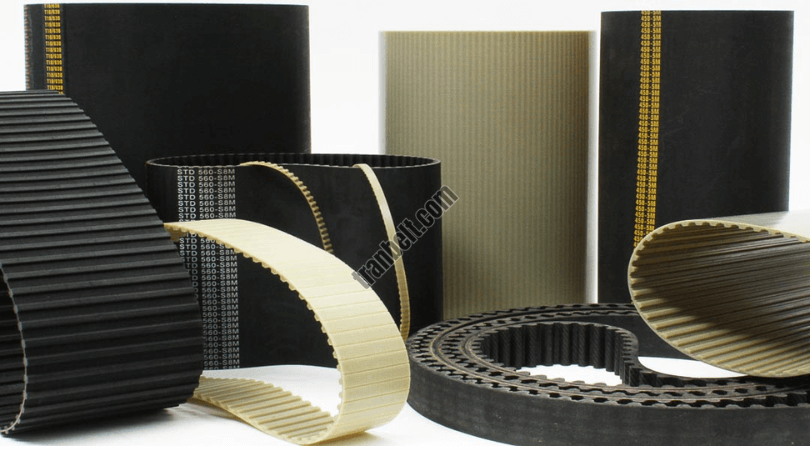
Have you ever watched your conveyor belt freeze up, snap, or slow down in winter, costing you time and money? It’s a nightmare when ice and bitter cold stop your work cold, right? In 2026, this doesn’t have to happen to you. Studies show that frozen belts cause up to 30% more breakdowns in freezing weather. But here’s the exciting news: there’s a simple fix. The cold resistant conveyor belt is built to handle the harshest winters without cracking or jamming. It keeps your business running smooth, no matter how low the temperature drops!
This guide is your easy-to-follow map to beating the cold. We’ll start by defining what is a cold resistant conveyor belt? and then break down how cold resistant conveyor belts work. After that, you’ll learn the key features of cold resistant conveyor belts that make them tough. We’ll also cover the types of cold resistant conveyor belts you can choose, and finally, see the top industries that use cold resistant conveyor belts. Get ready to solve your winter problems and keep moving with power and confidence!
What Is a Cold Resistant Conveyor Belt?
A cold resistant conveyor belt is a special kind of moving belt used to carry things in really cold places, like freezers or outside in winter. Regular belts would get stiff and break when it’s freezing, but these belts are made with special materials that stay soft and bendy even in very low temperatures. This means they can keep moving materials without problems, making sure work doesn’t stop because of the cold.
How Cold Resistant Conveyor Belts Work
These belts work by using special rubber or other materials that don’t get hard and crack when it’s freezing. Imagine a normal rubber band snapping if it gets too cold; a cold resistant belt is designed so that doesn’t happen. It keeps its flexibility, letting it go around the rollers and carry heavy loads smoothly, even when the temperature drops way below zero. This helps factories and businesses move their products safely in cold environments.
Key Features of Cold Resistant Conveyor Belts
The most important features of these belts are their ability to stay flexible in extreme cold, prevent cracking, and handle impact without breaking. They are usually made from strong, specialized rubber compounds that can resist the cold, oil, and wear. Some belts also have special fabric layers inside to make them extra strong and stable. These features mean the belts last longer and need less fixing, even in harsh winter conditions.
Low-Temperature Flexibility
This means the conveyor belt stays soft and bends easily even when it’s very cold. If a belt gets stiff in the cold, it can crack or break when it goes around rollers or carries heavy things. A good cold-resistant belt keeps its bendy nature. This way, it works smoothly and lasts longer, even in freezing weather. It won’t get brittle like a normal belt would.
High Cold-Impact Resistance
Imagine something heavy or sharp falling onto the conveyor belt when it’s super cold outside. A regular belt might crack or tear easily in the cold. But a cold-impact resistant belt is built to handle these hits. It’s tough enough to take a knock without breaking, even in freezing temperatures. This helps keep things moving and stops you from needing to fix the belt often.
Anti-Thermal Shock Design
Sometimes, a conveyor belt might go from a very cold outdoor area to a warmer indoor spot, or the other way around, very quickly. This fast change in temperature can hurt a normal belt, making it crack or wear out faster. An anti-thermal shock belt is made to handle these quick changes without any problems. It won’t get damaged by sudden heating or cooling, helping it work well for a long time in tricky conditions.
Types of Cold Resistant Conveyor Belts
When you need to move stuff in very cold places, regular conveyor belts might break or get stiff. That’s why there are special belts made to handle the cold. These belts use different materials and ways of building them so they stay flexible and strong even when temperatures drop way down. Knowing these types helps you pick the right one for your job.
Fabric/Multi-Ply Belts
These belts are like a strong sandwich with layers of fabric, often nylon or polyester, covered in rubber. Each layer makes the belt tougher. They are a common choice for many jobs in cold weather because they are strong enough for most loads and can bend well without cracking, as long as the rubber compound is right for the cold.
Steel Cord Belts
Steel cord belts are super strong because they have steel cables running inside them, just like the wires in car tires. These belts are perfect for moving very heavy things over long distances, especially in freezing conditions. The steel inside makes them resist stretching and breaking, keeping everything running smoothly even in harsh cold.
Rubber Compound Belts (SBR, NR, Chloroprene)
The type of rubber used in a conveyor belt makes a big difference in the cold. Some rubbers stay soft and flexible, while others get hard and crack. SBR (Styrene Butadiene Rubber) is a common choice that works well in many cold places. NR (Natural Rubber) is also good because it stays flexible, and Chloroprene (like Neoprene) is excellent for extreme cold and also resists oil.
Top Industries That Use Cold Resistant Conveyor Belts
Many important businesses need conveyor belts that can work well in very cold places. These special belts are used when regular belts would get stiff, crack, or stop working because of freezing temperatures. They help move goods and materials safely and smoothly, even in icy conditions, making sure work doesn’t stop and products stay good.
Food Processing and Cold Storage
In places where food is kept frozen or very cold, like meat packing plants or big freezers, these belts are a must-have. They help move food items quickly from one spot to another without the cold damaging the belt or the food. This makes sure our food stays fresh and safe to eat before it gets to the store.
Mining and Outdoor Operations
Mines, especially those in cold regions, and other outdoor jobs often face harsh winter weather. Cold resistant belts are used to carry heavy rocks, dirt, and other materials in snow and ice. They need to be extra tough to handle both the cold and the heavy, sharp loads without breaking down.
Agriculture and Refrigerated Warehousing
Farmers and big storage places that keep fruits, vegetables, and other farm products cold also use these belts. Whether it’s moving freshly picked produce into a chilled warehouse or sorting items in a refrigerated area, these belts keep everything moving smoothly without being affected by the low temperatures.
Pharmaceutical and Chemical Handling
Some medicines and chemicals need to be kept very cold to stay stable and safe. Conveyor belts that can handle extreme cold are used in these factories to move sensitive products without causing any damage from heat or cold. This helps make sure important drugs and chemicals are handled correctly.
How Does TranBelt Supply Conveyor Belts and Kits from China?
When you need conveyor belts and kits for your industrial operations, the route from a Chinese supplier to your facility can feel uncertain. We at TranBelt have built a streamlined, transparent system to eliminate guesswork and risk. Here is exactly how we deliver:
- We source directly from top global brands. As official distributors for brands like Bando, Continental, Gates, Megadyne, Mitsuboshi, and Optibelt, we secure lower agent prices and maintain stable stock for fast supply. Your conveyor belts come with full traceability and warranty.
- We manufacture in our own factory. For custom conveyor belts and kits, our in-house production means better quality control and more competitive prices. Whether you need a unique width, length, or material compound, we produce it without middleman markups.
- We partner with long-term shipping experts. Both air and sea shipping are available, and we actively help you choose the best shipping plan to balance speed, cost, and safe delivery. Your order arrives on time, intact.
Looking for a reliable belt supplier in China? We invite you to Contact TranBelt now for a fast quotation and professional support. Let us show you how easy it is to get good products, good prices, and easy service for your conveyor belt needs.
Frequently Asked Questions
1. What temperature can a cold resistant conveyor belt handle?
Cold resistant conveyor belts can usually work in temperatures as low as -40°F to -60°F. Some special ones can even go down to -70°F. But you need to check the belt’s specs from the maker to be sure. These belts don’t get brittle or crack when it’s freezing cold.
2. What materials are used in cold resistant conveyor belts?
These belts are made from special rubber blends, like natural rubber, neoprene, and nitrile. They also have strong fabrics like polyester or nylon inside to give them strength. The rubber has extra stuff added so it stays soft and flexible even in very cold weather.
3. How is a cold resistant belt different from a standard belt?
A standard belt gets hard and cracks when it’s really cold. A cold resistant belt stays flexible and works fine. It also grips better in icy conditions and doesn’t shrink or get stiff. So if you use a regular belt in the cold, it will break fast. Cold resistant belts are built to handle that.
4. Which industries need cold resistant conveyor belts the most?
The biggest users are mines in cold places, like iron or coal mines in Alaska or Canada. Also, food factories that freeze things, like ice cream or frozen meat, need them. Ports in cold regions and ski resorts that move materials around also use these belts a lot.
5. How long do cold resistant conveyor belts last?
They can last anywhere from 3 to 10 years, depending on how hard you use them and how cold it gets. If you take good care of them, like cleaning and checking for damage, they last longer. But very icy and sharp materials can wear them out faster.
6. Can cold resistant belts also resist chemicals?
Some can, but not all. There are special cold resistant belts that work with oils, acids, or other chemicals. You have to tell your supplier what you need. Most standard cold resistant belts are not made for chemicals, so you need a special one if that’s the case.
7. How do I know when to replace my cold resistant belt?
Look for cracks, chunks missing, or parts that are really worn down. If the belt starts slipping or making strange noises, that’s a sign too. Also, if it can’t move materials like it used to, or you see frayed edges, it’s time for a new one. Check it regularly so you don’t get stuck with a broken belt in the middle of work.
Conclusion
So, you’ve learned what a cold resistant conveyor belt is, how it works, and why it’s built for freezing places. We covered its main features, the different types you can choose from, and the big industries that depend on it. Now those cold weather pains are gone. No more cracked belts or broken machines. Your biggest questions about keeping materials moving in the cold are solved. You know exactly what to look for and how this belt can save you time and money. You are ready to make a smart choice.
Now it’s time to take action. Don’t let another frozen day stop your work. You can get the right cold resistant conveyor belt for your needs easily. Come to TranBelt. We are a professional supplier that works with top global brands and our own factory. You get good products, good prices, and easy service. We help you choose the best shipping too. So contact TranBelt now for a fast quote. Solve your cold weather problems today