Are you tired of watching your products slide backward on a steep incline? You set up a conveyor, but parts tumble off, or they pile up at the bottom. It’s frustrating, right? Studies show that up to 30% of material handling delays come from items slipping on standard belts. But here’s the good news: a cleated belt conveyor is the simple solution you’ve been waiting for. These belts have built-in walls (called cleats) that grab your items and carry them uphill, downhill, or even around corners without a single spill. No more lost time, no more mess!
This guide is your roadmap to picking the perfect system. We’ll cover everything you need to know, starting with what is a cleated belt conveyor and exploring the types of cleated belt conveyors used in real factories. You’ll also learn about cleat profiles and design options so you match the right cleat to your material. Then we’ll break down the key components of the system that keep it running smooth and strong. Finally, we’ll show the top industry applications that prove why this tech is a game-changer. By the end, you’ll feel excited and ready to choose the right setup for your job—no engineering degree needed!
1. What Is a Cleated Belt Conveyor?
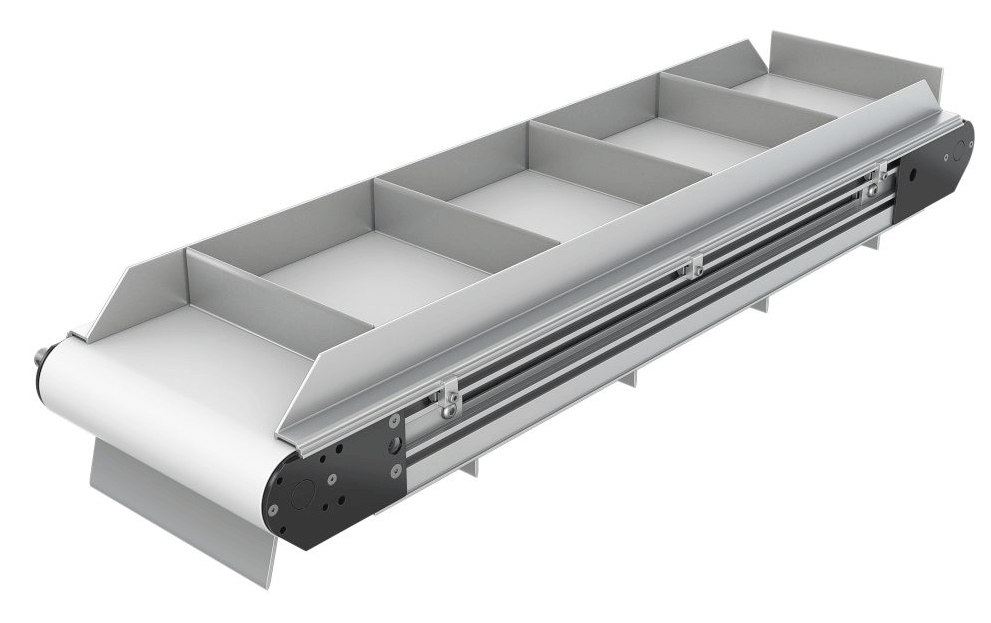
A cleated belt conveyor is a special kind of conveyor belt system. It has raised parts, like small walls or bumps, called cleats that are fixed to the belt surface. The main goal of these cleats is to stop materials from sliding back down when the belt is moving them uphill or handling loose items. This makes it different from a regular flat belt conveyor, which is smooth and doesn’t have these special raised parts. Cleated belts are perfect for moving things that might roll off or fall when going up a slope.
How a Cleated Belt Conveyor Works
This type of conveyor works by using its cleats to hold materials firmly in place. As the belt moves, the cleats act like little pockets or barriers. They keep items from rolling, tumbling, or sliding backward, especially when the belt is going up a hill or moving on an uneven path. This simple design means that even loose things like sand, grain, or small parts can be carried smoothly and reliably from one spot to another without falling off or slipping down the belt.
Cleated Belt Conveyor vs. Flat Belt Conveyor
When you need to move stuff, you might use a cleated belt or a flat belt, but they work best for different jobs. The biggest difference is the cleats. A flat belt is smooth and is great for moving items on a level path, or for things that are big and stable. But if you need to move materials uphill, or if the items are loose and might roll off, a cleated belt is much better because its cleats hold everything in place. They are designed for different purposes to make sure materials get where they need to go without problems.
| Feature | Cleated Belt Conveyor | Flat Belt Conveyor |
|---|---|---|
| Design | Has raised cleats on the surface | Smooth, flat surface |
| Best For | Moving materials up slopes, loose items, small parts | Moving materials on flat ground, stable items, boxes |
| Material Hold | High (cleats stop sliding and rolling) | Low (materials can slide or roll) |
| Angles | Can handle steep inclines | Best for flat or very slight inclines |
| Common Use | Agriculture, mining, recycling | Packaging, assembly lines, warehouses |
Key Benefits at a Glance
Using a cleated belt conveyor offers many important advantages, especially for businesses moving materials in tricky situations like going uphill. It helps make sure that materials don’t get lost or spill, which saves both time and money. Because of its design, it can often move more stuff faster, making the entire work process much more efficient and reliable.
- Stops materials from sliding backward, even on steep slopes.
- Allows for carrying materials up much steeper inclines than flat belts.
- Keeps loose materials like grains, powders, or small items safely on the belt.
- Helps move more materials in less time, making work faster.
- Reduces waste and spills by keeping items contained on the belt.
2. Types of Cleated Belt Conveyors
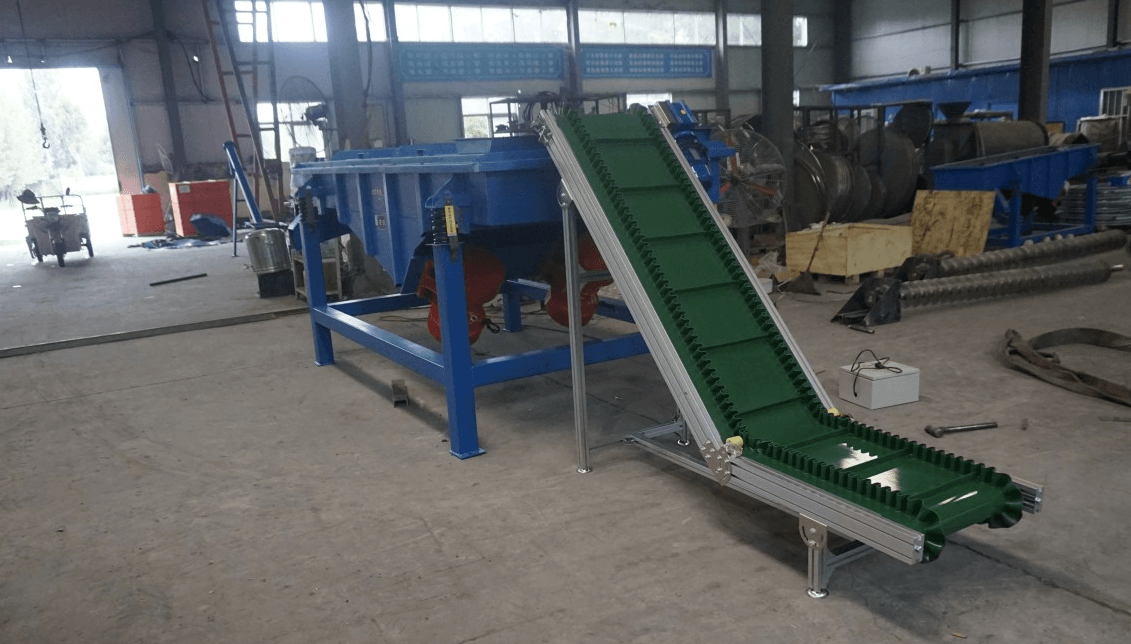
Cleated belt conveyors come in different styles to help move all sorts of materials, especially up a slope. Each type has a special design to keep items from sliding back down and to fit different jobs. Some are good for gentle inclines, while others can carry things almost straight up without spilling a single piece. Picking the right kind makes sure your stuff gets from one place to another smoothly and without problems.
Chevron / V-Shaped Cleated Belt
A Chevron, or V-shaped, cleated belt has raised patterns on its surface that look like a series of “V”s or arrows. These patterns act like small barriers, stopping materials from slipping and rolling back down the belt when it’s going uphill. This design is great for moving loose stuff like sand, gravel, grain, or small packages, making sure they stay in place even on moderate inclines.
Sidewall Cleated Belt Conveyor
Sidewall cleated belts are designed with flexible walls running along both edges of the belt, combined with regular cleats in the middle. These walls create a bucket-like effect, letting the conveyor carry materials at very steep angles, sometimes almost straight up. This setup is perfect for handling bulk materials without any spills, making it useful in places where space is tight and you need to lift things high.
Steep Incline Cleated Belt Conveyor
Steep incline cleated belt conveyors are built to move materials up very sharp slopes, often replacing traditional bucket elevators. They use special cleat patterns, sometimes combined with sidewalls, to grip and hold onto materials securely even when the belt is angled sharply upwards. These conveyors save a lot of floor space in factories and mines because they go up instead of covering a long, flat distance.
Modular Cleated Belt Conveyor
Modular cleated belt conveyors are made from many small, interlocking plastic or metal pieces, rather than one long rubber belt. This design means you can easily snap parts together or take them apart, making the conveyor simple to fix or change its length and width. They are very flexible for different layouts and easy to clean, which is great for industries needing custom sizes or good hygiene.
3. Cleat Profiles and Design Options
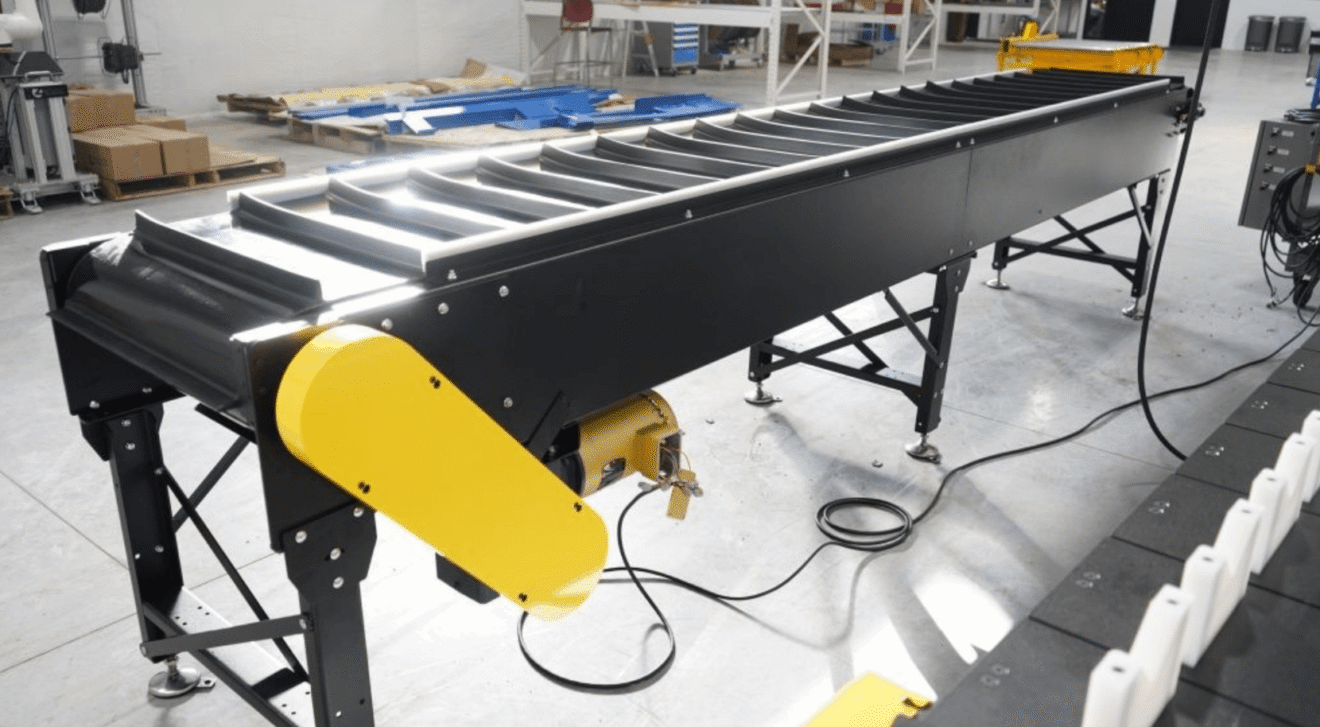
Cleats come in many shapes and sizes on a conveyor belt. These different designs help the belt move different kinds of stuff better. Some cleats are good for moving small, loose items, while others are better for big, heavy things or for moving items up a steep slope. The way a cleat is shaped and placed really changes how well the belt works for your job, making sure your materials get where they need to go without falling off.
Common Cleat Shapes (T, L, C, Wave)
Cleats come in a few main shapes, and each one is made to do a certain job. These shapes help grab different types of materials and keep them from sliding back down the belt, especially when the belt is going uphill. Choosing the right shape makes sure your conveyor works best for what you’re moving.
- T-Cleats: Look like the letter ‘T’. These are great for scooping up small, loose items like sand, grain, or gravel and keeping them from sliding back down a slope.
- L-Cleats: Shaped like the letter ‘L’. These are used for bigger or heavier items that need more support to stay put on the belt, giving a stronger push.
- C-Cleats: Shaped like a ‘C’ or a curved scoop. They are good for holding liquids, very fine powders, or sticky stuff, keeping it from spilling off the sides.
- Wave Cleats: Look like a wavy line across the belt. These are good for moving light, bulky items like boxes, packages, or bags, helping to stabilize them and prevent them from rolling off.
Cleat Height and Spacing Guide
How tall the cleats are and how far apart they are placed makes a big difference in how your conveyor belt works. Taller cleats can hold more material, and the space between them changes how much you can carry and how fast. Picking the right height and spacing helps your belt move things without spills or slowdowns, especially on inclines.
- Think about what you’re moving: For small, loose stuff, you might need many shorter cleats placed closer together. For big, bulky items, taller, more spaced-out cleats could work better.
- Look at the slope: If your belt goes steeply uphill, you’ll need taller cleats that are closer together. This stops things from sliding back down the belt.
- Consider how much you need to move: More cleats or taller cleats can help carry more material at once, increasing how much the belt can move in an hour.
- Check the belt speed: If the belt moves very fast, cleats need to be spaced correctly so they don’t cause problems when loading material onto the belt or taking it off.
Materials Used (Rubber, PVC, Polyurethane)
Cleats are made from different materials, and each material has its own strong points. The right material depends on what you’re moving, how hot or cold it is, and how much wear and tear the belt will get from the materials or the environment.
- Rubber: This material is very strong and flexible. It’s good for moving heavy, rough stuff like rocks or dirt. Rubber can handle a lot of impact and works well in many different temperatures.
- PVC (Polyvinyl Chloride): This is a lighter material and often costs less than rubber. It’s often used for moving food, light items, or in places where the belt needs to be very clean. It’s not as tough for very heavy or hot things.
- Polyurethane: This material is very tough and resists oil, grease, and chemicals well. It’s great for special jobs where you need extra strength and protection against damage from sharp objects or harsh substances.
4. Key Components of the System

A cleated belt conveyor system uses several main parts to move materials up slopes or in special ways. The belt itself is like the moving road that carries items. Cleats are ridges on the belt that stop things from sliding backward. A motor powers the system, making the belt move. Pulleys guide the belt and keep it tight, while a strong frame holds everything together. Each part works with the others to make sure materials get from one place to another smoothly and without issues.
Belt Body and Reinforcement Layers
The belt body is the main part that actually carries the items. It’s usually made from tough materials like rubber or plastic. Inside this material, there are hidden layers called reinforcement layers. These are like strong fabrics or cords built into the belt. They make the belt extra strong so it doesn’t stretch out, tear, or break easily. These layers also help the belt stay flexible enough to go around pulleys, making it durable and long-lasting for moving heavy loads.
Cleat Attachment Methods
There are different ways to put the cleats onto the conveyor belt. One way is called molding, where the cleats are made as part of the belt itself, like they are one solid piece from the start. Another method is vulcanization, which uses heat and pressure to essentially “cook” the cleats onto the belt, making a very strong and lasting bond. Finally, mechanical fastening uses bolts, screws, or other clips to attach the cleats. This last method makes it easier to change or replace cleats if they get worn out or if you need a different type.
Drive and Idler Pulleys
Pulleys are round wheels that play a big part in how the conveyor belt works. The drive pulley is connected to the motor and makes the belt move. It pulls the belt along, getting everything going. Idler pulleys, on the other hand, just spin freely. They support the belt along its path and help keep it straight and from sagging. Both types of pulleys work together to keep the belt at the right tightness and moving smoothly, which helps the whole system run well and stops it from breaking down too often.
5. Top Industry Applications

Cleated belt conveyors are used in many different types of jobs. They are great for moving materials that need to go up a hill or things that might slide off a regular, flat belt. Their special design makes them work well in tough places and with different kinds of items. This makes them a top choice for many businesses.
Agriculture and Food Handling
Farmers and food companies use these belts to move crops like corn, wheat, and fresh fruits. The raised parts, called cleats, stop the food from rolling or sliding off the belt, especially when moving up a slope. They also help keep things clean and moving smoothly in places where food is processed.
Mining, Sand, and Gravel
In mines and places where sand and gravel are dug up, cleated belts are very important. They are built tough to move heavy rocks, sand, and dirt. These belts can work well in very dirty and rough conditions. The cleats keep the heavy materials from sliding backward, even on steep slopes.
Recycling and Waste Sorting
Recycling centers and waste plants use cleated belts to sort trash and items that can be reused. These belts help move different kinds of waste up hills to separate them. This makes the whole sorting process faster and more effective, helping to clean up our environment.
Packaging and Warehousing
Factories and storage buildings use cleated belts to move boxes and packages. They are very good for carrying items up and down ramps or between different floors. This helps move products around quickly and in the right order for packing or shipping.
6. How Does TranBelt Supply Cleated Belts and Kits from China?
When you need cleated belts and kits for your material handling or conveying systems, getting the right product with reliable delivery is critical. We at TranBelt make the entire supply process seamless and cost-effective, so you can focus on your operations without worrying about sourcing or quality. Here’s how we do it:
- We work directly with top global belt brands and are their official distributor in China. This allows us to offer lower agent prices. We supply original cleated belts and kits from brands like Bando, Continental, Gates, Megadyne, Mitsuboshi, and Optibelt, with stable stock and fast supply.
- We also have our own factory, so we can produce cleated belts and kits for different machines and special needs. Factory production means better quality control and more competitive prices, including custom cleated belts tailored to your specifications.
- We cooperate with long-term shipping partners. Air and sea shipping are both available. We help you choose the best shipping plan to save cost and receive your cleated belts and kits safely and on time.
Looking for a reliable belt supplier in China?
👉 Contact TranBelt now for a fast quotation and professional support.
7. Frequently Asked Questions
1) What is a cleated belt conveyor used for?
A cleated belt conveyor is used to move things up or down a slope without them falling off. The “cleats” are raised parts on the belt that act like little walls. This is great for moving things like loose items, parts, or even trash from one level to another.
2) What angle can a cleated belt conveyor handle?
Most cleated belt conveyors can handle angles from 30 to 45 degrees. Some special ones can go even steeper, up to 60 or 70 degrees. The exact angle depends on the type of cleat and how slippery the material is you are moving.
3) How long does a cleated conveyor belt last?
A good cleated conveyor belt usually lasts between 3 and 5 years. With heavy use, it might need to be replaced more often, maybe every 1 to 2 years. Taking good care of the belt and cleaning it helps it last longer.
4) What is the difference between chevron and T-cleats?
Chevron cleats look like a “V” or a chevron shape, which helps center the material on the belt. T-cleats are straight pieces that look like a “T”. Chevron cleats are better for keeping loose items in the middle, while T-cleats are good for holding big individual items in place.
5) Can cleated belts be used in food-grade settings?
Yes, absolutely. Many cleated belts are made from food-grade materials that are safe for touching food. These belts are easy to clean and meet health rules. Look for belts that are FDA-approved or say “food-grade” on them.
6) How do you clean a cleated conveyor belt?
First, turn off the machine. Then, use a brush, a damp cloth, or a low-pressure water spray to remove dirt. For a deeper clean, you can use mild soap or a special food-safe cleaner. Make sure the belt is dry before you turn it back on.
7) How much does a cleated belt conveyor cost?
A small, simple cleated belt conveyor can start around $1,000 to $3,000. Bigger, custom, or heavy-duty ones can cost $10,000 or much more. The final price depends on the length, width, and the type of materials used.
8. Conclusion
You’ve just learned everything about the cleated belt conveyor—from its different types and clever cleat designs to the key parts that make it work so well. By now, the pain points that used to slow you down are completely handled. You know exactly which conveyor fits your job, how the cleats keep your products from slipping, and why these systems are a top choice in factories and warehouses. Most of your worries about choosing or using the right conveyor should be gone. You are now ready to move forward with confidence.
So, what’s the next step? Stop wasting time and money on trial and error. Let us help you get the best cleated belt conveyor parts for your needs. Contact TranBelt today. We work directly with big brands like Bando and Gates, and we even run our own factory for custom belts. You’ll get low prices, fast shipping by air or sea, and support that is simple and straight. Reach out now for a quick quote. Your perfect solution is just one call away—let’s solve your problem together.