Is your car making a loud, slapping noise under the hood? Or maybe it just won’t start at all? These are the scary warning signs of a broken timing belt. A snapped belt can destroy your engine, costing you thousands of dollars. Did you know most car makers say you must change it every 60,000 to 100,000 miles? Ignoring it is like playing with fire. But don’t panic! You don’t need to be a professional mechanic to fix this yourself.
This article is your simple guide to how to install timing belt the right way. We’ll break everything down into easy steps, even if you’ve never held a wrench before. First, we cover How to Install a Timing Belt: What You Need to Know First, then list the Tools and Parts You’ll Need. Finally, we walk through the Step-by-Step: How to Install a Timing Belt. Get ready to save big money and feel like a champ! You can do this!
How to Install a Timing Belt: What You Need to Know First
Before you even think about changing your timing belt, there are some important things you need to understand. This isn’t a simple oil change, and knowing what you’re getting into can save you a lot of trouble and money later on. We’ll go over the basics so you’re not going into this job blind.
What Is a Timing Belt and What Does It Do
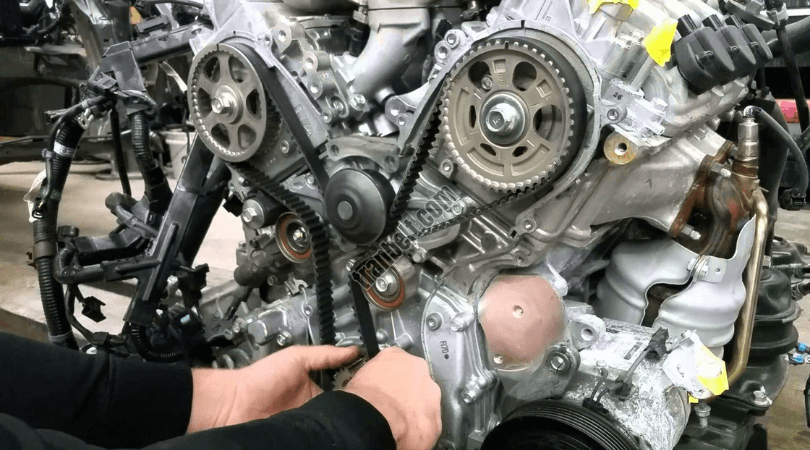
A timing belt is a strong rubber belt with teeth inside your car’s engine. It connects important parts, like the crankshaft and camshaft. Its main job is to make sure these parts spin at the exact right time together. If the timing belt breaks, your car will stop working, and it can even hurt your engine badly.
Is It Safe to Do It Yourself?
Doing your own timing belt replacement can save you money, but it’s not a job for everyone. It needs special tools, a good amount of time, and some real car know-how. If you do one small thing wrong, it can cause serious damage to your engine, which costs a lot to fix. If you’re not sure, it’s usually safer to let a professional mechanic do it.
Tools and Parts You’ll Need
Before you start working on your car, it’s super important to have all the right tools and parts ready. Trying to do the job without everything you need can make things much harder and take a lot longer. Get everything together ahead of time so the job goes smoothly and you don’t get stuck in the middle.
Required Tools List
You’ll need some basic tools like a wrench set, a socket set with a ratchet, and screwdrivers. A torque wrench is also a must-have to tighten bolts correctly so they don’t come loose or break. You will also need a car jack and jack stands to safely lift your car. Sometimes, special tools are needed to hold parts in place while you work, so check your car’s repair manual.
Parts to Buy Alongside the Belt
When you change your timing belt, it’s a smart idea to replace a few other parts at the same time. These often include the timing belt tensioner, which keeps the belt tight, and any idler pulleys that the belt runs on. Many times, people also replace the water pump because it’s usually driven by the timing belt and is easy to get to when the belt is off.
How to Find the Right Belt for Your Car
To make sure you get the correct timing belt, you’ll need your car’s exact information. The easiest way is to look in your car’s owner’s manual or find the sticker under the hood that lists the engine details. You can also take your car’s year, make, model, and engine size to any auto parts store, and they can look up the right belt for you. Giving them your car’s VIN (Vehicle Identification Number) is the best way to be sure.
Step-by-Step: How to Install a Timing Belt
Changing a timing belt is a big job for your car’s engine. This guide will walk you through each step simply, so you can do it right. Take your time and follow these steps carefully to make sure your car runs smoothly after the new belt is in.
Step 1 – Disconnect the Battery and Prepare the Engine
First, you need to make sure your car is safe to work on. Open your car’s hood and take off the black and red cables from your car battery. This stops any power from running through the car and keeps you safe. Then, get your car ready by removing anything that might be in the way to reach the engine parts you need to work on.
Step 2 – Remove Accessories and Timing Covers
Next, you’ll need to take off some other parts that are in the way. This usually means removing other belts, pulleys, and brackets that sit on the front of your engine. After that, you’ll see the timing covers. These are plastic or metal covers that protect the timing belt. You need to unbolt and remove these covers to get to the old belt.
Step 3 – Align the Crankshaft and Camshaft to TDC (Top Dead Center)
This is a super important step. You need to turn the engine by hand until specific marks on two main engine parts, called the crankshaft and camshaft, line up perfectly. This position is called Top Dead Center (TDC). It makes sure the engine’s moving parts are in the exact right spot before you take off the old belt.
Step 4 – Remove the Old Belt and Tensioner
Once everything is lined up, you can carefully take off the old timing belt. It’s usually held tight by a part called a tensioner. You might need to loosen or remove the tensioner first to get the old belt off easily. Take out both the old belt and the old tensioner, as you’ll be putting in new ones.
Step 5 – Install the New Timing Belt
Now it’s time to put the new timing belt on. Make sure the engine marks are still lined up exactly as they were in Step 3. Carefully put the new belt onto the gears, making sure it fits snugly around all of them. It’s like putting a bike chain back on, but it has to be perfect.
Step 6 – Set and Check Belt Tension
After the new belt is on, you need to make sure it’s tight enough. You’ll install the new tensioner and set it to the correct tightness. A belt that’s too loose or too tight can cause big problems. Double-check that the belt feels just right, not too slack and not stretched too much.
Step 7 – Reassemble and Test the Engine
Finally, you can start putting everything back together. Put the timing covers back on, then reattach all the other belts, pulleys, and parts you took off earlier. Reconnect your car battery cables. Then, start your car carefully and listen for any strange noises. Let it run for a bit to make sure everything is working correctly before you drive it.
How Does TranBelt Supply Timing Belts and Kits from China?
When you need Timing Belts and Kits from a reliable source in China, we make the process simple, cost-effective, and worry-free. We work directly with top global belt brands and are their official distributor, which means we offer you lower agent prices while guaranteeing authenticity. We supply original belts from brands like Bando, Continental, Gates, Megadyne, Mitsuboshi, and Optibelt, with stable stock and fast supply so your production never stops.
- We leverage our official distributor status to give you access to premium global brands at factory-competitive pricing, ensuring every timing belt and kit meets OEM standards.
- We operate our own factory, allowing us to produce custom timing belts for unique machines and special requirements, with better quality control and even more competitive prices.
- We partner with long-term shipping carriers for both air and sea freight, helping you choose the optimal shipping plan to save costs while ensuring safe, on-time delivery.
Looking for a reliable belt supplier in China?
Contact TranBelt now for a fast quotation and professional support.
Frequently Asked Questions
1. How long does it take to install a timing belt?
It usually takes a mechanic about 3 to 5 hours to install a timing belt. But if you are doing it at home, expect it to take a full day, especially if it is your first time. The job is tricky and requires careful steps.
2. What happens if I install the timing belt wrong?
If you install it wrong, your engine can stop working or get badly damaged. The pistons can hit the valves and ruin the engine. That means you could need a whole new engine, which costs thousands of dollars.
3. Can I drive with a worn timing belt?
Do not drive with a worn timing belt. If it snaps while you are driving, your car stops right away, and the engine can get wrecked. If your belt is old or has cracks, get it changed as soon as possible.
4. How much does a timing belt installation cost?
The cost is usually between $500 and $1,000, including the belt and the work. This price can go up if your car is hard to work on or if you use a dealer. The part itself is cheap, but the labor is what costs a lot.
5. Do I need to replace the tensioner too?
Yes, you should always replace the tensioner when you change the timing belt. The tensioner keeps the belt tight. If it gets old and fails, your new belt can slip or break. It is cheap insurance to do both at the same time.
6. What is the difference between a timing belt and a timing chain?
A timing belt is made of rubber and needs to be changed every 60,000 to 100,000 miles. A timing chain is made of metal and usually lasts the life of the car. Many new cars use chains because they last longer and need less maintenance.
7. Can a beginner install a timing belt at home?
It is possible, but it is a hard job for a beginner. You need special tools and have to be very exact. If you get it even one tooth wrong, you can break the engine. Unless you are very good with cars, it is better to pay a pro.
Conclusion
You’ve just gone through the full guide on how to install timing belt, and by now, the pain points are gone. No more guessing which tools you need, no more worrying about skipping a critical step. The outline showed you what to know first, the exact tools and parts to grab, and the clear step-by-step process to get the job done right. Most of your questions are answered, and you can feel confident that your engine will run smooth and strong again.
Now it’s time to take action. Don’t settle for cheap parts that will snap or wear out fast. You need a reliable source for your timing belt—and that’s TranBelt. As a professional supplier with direct access to top brands like Gates and Bando, plus our own factory for custom belts, we give you good products, good prices, and easy service. Let us help you with fast shipping and the best deal. Contact TranBelt today for a quick quote—we’re here for you.