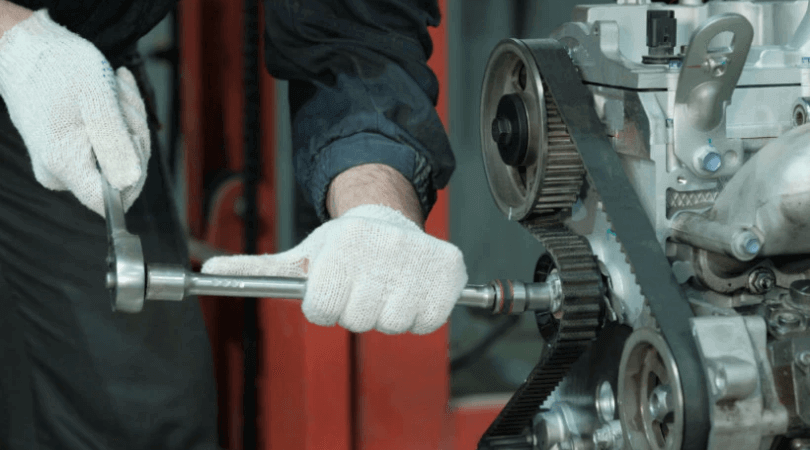
Has your motor been making a squealing noise lately? Or maybe your machinery just isn’t running as fast as it used to. You might be thinking, “Do I need a repairman?” But hold on—the fix could be as simple as tightening belt on your motor. In 2026, machines still rely on these simple rubber loops to work. A loose belt causes slipping, wasted power, and can even break your equipment. Why pay a mechanic when you can do it yourself in minutes?
Here’s the exciting news: this article will walk you through everything you need, step by simple step. We’ll cover Why Tightening Belt on Your Motor Matters so you never ignore the warning signs again. Then we’ll list Tools You Need Before You Start—most are already in your garage. After that, you’ll follow How to Tighten V Belt Step by Step with clear pictures in your mind. Finally, 3 Easy Methods to Check Belt Tension will mean your motor runs smooth and strong for years. Let’s get your machines humming like new!
Why Tightening Belt on Your Motor Matters
Keeping the V-belt on your motor tight is really important for your machines to work well. A tight belt makes sure the motor’s power gets to the parts that need it without slipping. This helps your equipment run smoothly and strongly, doing its job correctly. When your belt is properly tight, your machines last longer and you don’t have to fix them as often, saving you time and money.
What Happens When a Belt Is Too Loose
If your V-belt is too loose, it can slip a lot on the wheels (pulleys). This means your motor can’t give its full power to the machine, making it run slow or weak. A loose belt often makes a loud squealing noise and can get very hot. It will also wear out much faster than it should, and in some cases, it can even damage other parts of your machine because of the extra friction and heat.
Signs Your V Belt Needs Tightening
There are some clear signs that tell you your V-belt needs to be tighter. You might hear a loud squealing sound, especially when the machine starts up or when it’s working hard. Your machine might also seem to be losing power or running slower than normal. If you can see the belt wobbling a lot or slipping on the pulleys, or if it looks shiny and glazed on the sides, it’s definitely time to check and tighten it.
Tools You Need Before You Start
Before you start working on your V-belt, it’s super important to get all your tools ready. Having the right tools makes the job much easier and safer. It also helps you do the work correctly the first time, so you don’t have to keep fixing it later.
Belt Tension Gauge
A belt tension gauge is a special tool you use to check how tight your V-belt is. You can’t just guess if a belt is tight enough because if it’s too loose, it won’t work right, and if it’s too tight, it can damage your machine. This gauge tells you exactly if the belt has the right amount of tightness. Using it helps your belt and machine last longer.
Basic Hand Tools and Safety Gear
You’ll also need some regular hand tools like wrenches to loosen and tighten bolts, and maybe a screwdriver. These tools help you adjust the parts that hold the belt. Don’t forget your safety gear! Always wear safety glasses to protect your eyes from anything that might fly off. Gloves can protect your hands from grease or sharp edges. Safety first when you’re working with machines!
How to Tighten V Belt Step by Step
This part will show you the exact steps to make your V belt tighter on your motor or machine. We will go through each action you need to take to do it right and safely, making sure your machine works its best.
Step 1: Turn Off and Lock Out the Machine
Before you touch anything, always turn off the machine completely. Then, use a lock-out device to make sure no one can accidentally turn it back on while you’re working. This keeps you safe from serious injury by preventing the machine from starting unexpectedly.
Step 2: Find the Tensioning Adjustment Point
Look for the bolts or screws that hold the motor in place. Often, there’s a way to slide the motor back and forth on its mount. Sometimes, instead of moving the whole motor, there’s a separate wheel called an idler that you can adjust to tighten the belt.
Step 3: Measure Belt Deflection at the Center Span
Find the longest straight part of the V belt between the two pulleys. Push down on the belt with your thumb and see how much it moves. You can use a ruler to measure this movement, which is called deflection. Your machine’s manual usually tells you how much it should deflect for proper tension.
Step 4: Adjust Motor Position to Increase Tension
Loosen the bolts that hold the motor so you can slide it. Move the motor away from the other pulley to make the belt tighter. If your machine uses an idler wheel, you’ll adjust its position to push against the belt and make it tighter. Once the belt feels right, tighten all the motor or idler bolts firmly.
Step 5: Recheck and Test the Belt
After you adjust the belt, measure the deflection again to make sure it’s correct according to your machine’s guide. Once you’re happy with the tension, remove the lock-out device, and run the machine for a few minutes. Listen for any slipping or strange noises, and check the belt again to make sure it’s running smoothly.
3 Easy Methods to Check Belt Tension
Before you tighten a V-belt, you need to know if it’s actually loose or too tight. Luckily, there are a few simple ways to check its tension, or how tight it is, without needing a lot of special tools. Knowing the right tension helps your machinery work better and makes your belts last longer. We’ll go over three easy methods right now so you can figure out if your belt needs adjusting.
Method 1: The Deflection (Push) Method
This is a super simple way to check your belt without any tools. Find the longest part of the belt that runs straight between two pulleys, which are the wheels the belt goes around. Then, push down on the middle of that part with your thumb. The belt should move down a little bit, usually about half an inch to an inch, depending on how long the belt is. If it moves too much, it’s too loose. If it barely moves, it might be too tight.
Method 2: Using a Belt Tension Gauge
A belt tension gauge is a special tool that helps you measure exactly how tight your belt is. You place the gauge on the belt, usually in the middle of a straight section, and it will give you a reading. This reading tells you if the belt is at the right tension, which you can compare to what your machine’s instruction book says. It’s a very precise way to check, making sure you get the tension just right.
Method 3: The Twist Test (No Tools Needed)
The twist test is great because you don’t need any tools at all, just your hands. Just grab the V-belt in the middle of a straight section between two pulleys. Then, try to twist it. If the belt is tensioned correctly, you should be able to twist it about 90 degrees, or a quarter turn. If it twists more easily than that, like a full half turn, it’s too loose. If you can’t twist it much at all, it might be too tight.
How Does TranBelt Supply [ITEM] from China?
When it comes to sourcing Industrial Belts and Kits from China, we know that reliability, quality, and cost-efficiency are your top priorities. That’s exactly why TranBelt has built a complete supply chain designed to deliver good products, good prices, and easy service from the very first inquiry to the final delivery. Instead of navigating complex factories or middlemen alone, you get a single, trusted partner who handles everything for you.
Here’s how we make it happen:
- We work directly with top global belt brands and are their official distributor in China. This allows us to offer lower agent prices. We supply original belts from brands like Bando, Continental, Gates, Megadyne, Mitsuboshi, and Optibelt, with stable stock and fast supply.
- We also have our own factory, so we can produce belts for different machines and special needs. Factory production means better quality control and more competitive prices, including custom belts for unique applications.
- We cooperate with long-term shipping partners. Air and sea shipping are both available. We help customers choose the best shipping plan to save cost and receive goods safely and on time.
Looking for a reliable belt supplier in China?
Contact TranBelt now for a fast quotation and professional support.
Here is the content based on your outline. It uses simple words and short sentences for a low-education audience.
Frequently Asked Questions
How tight should a V belt be?
A V belt should be snug, not super tight. Think of it like a guitar string. You want it tight enough to work, but not so tight it feels hard when you push on it. A good rule is: when you push down on the belt halfway between the pulleys, it should only move about half an inch down.
How do I know if my V belt is too loose?
You can tell a V belt is too loose if you hear a squealing sound when you start the machine or turn on the air conditioner. Another sign is if the belt looks like it is wobbling or shaking when the machine is on. If you can easily push the belt down more than an inch, it is too loose.
Can I tighten a V belt without a gauge?
Yes, you can. You don’t need a special tool for this. Just use your thumb. Push down on the belt in the middle of the longest gap between the pulleys. If it pushes down more than half an inch, it needs to be tighter. If it feels rock hard, it is too tight.
How often should I check belt tension?
You should check your V belt tension every time you change the oil in your car or every three months for other machines. It is a good habit to look at it before you start using equipment for the first time each season. A quick check can save you trouble later.
What causes a V belt to keep slipping?
A V belt keeps slipping because it is either too loose, worn out, or has oil on it. Dirt and grease make the belt slide instead of grip. Also, if the pulleys (the wheels the belt goes around) are damaged or misaligned, the belt won’t stay tight and will slip.
Is it safe to adjust a V belt myself?
Yes, it is safe if you follow two simple rules. First, always turn off the machine and unplug it before you touch the belt. Second, never use your fingers to push the belt while the machine is running. If you follow these safety steps, you can do it yourself.
When should I replace a V belt instead of tightening it?
You should replace the belt if you see cracks on the bottom or sides of the rubber. If the belt feels shiny and hard like plastic, it needs to be replaced. Also, if you tighten it all the way and it still slips, the belt is stretched out too much and it’s time for a new one.
Conclusion
So, you now know why a loose belt can slow down your motor and how to fix it fast. We’ve walked through the tools you need, the simple steps to tightening belt tension, and three easy ways to check your work. All those pain points—slipping belts, squeaky sounds, and wasted power—are now handled. You’ve got the know-how to keep your machinery running smooth and strong. Most of your problems are solved, and you can feel good about that!
Now it’s time to take action. If you need a new belt or a better supply, don’t wait. You can get top-quality belts at lower prices when you work with TranBelt. We offer original brands from Bando to Gates, plus custom belts from our own factory. We’ll help you choose the best shipping, save money, and get your order fast. Looking for a reliable belt supplier? Contact TranBelt right now for a quick quote and professional support. Let’s keep your machines moving!