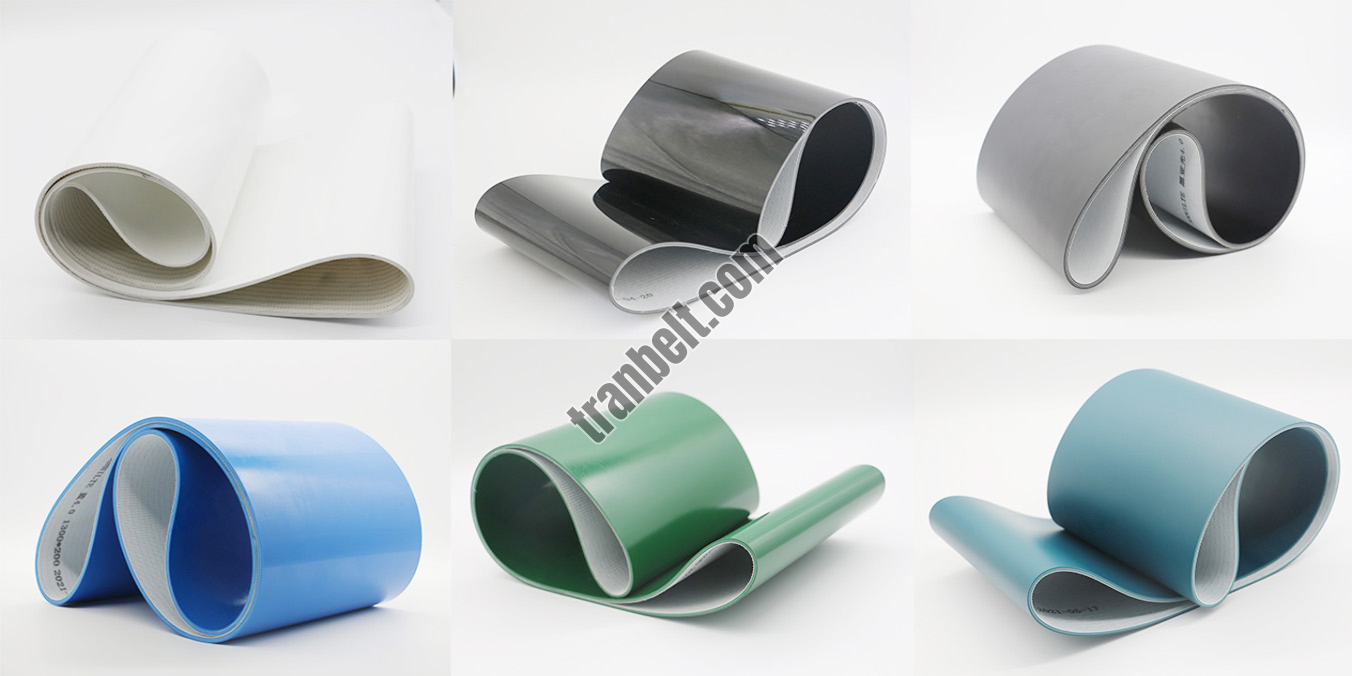
Are you tired of your production line constantly stopping? Maybe your current belts wear out too fast, or they just can’t handle the materials you need to move. You might be asking, “Why is this costing me so much time and money?” Imagine belts that slip, break, or get damaged by spills. It’s frustrating, right? Here’s a fact: many small factories lose thousands of dollars each year on old, faulty conveyor systems. But what if you could find a simple, tough, and affordable solution? That’s exactly where pvc conveyor belts come in to save the day!
Don’t worry—this guide is built just for you. We’ll break down everything step-by-step. First, we’ll explain What Are PVC Conveyor Belts? in plain English. Then, you’ll learn the Types of PVC Conveyor Belts so you can pick the right one for your job. Finally, we’ll show you the Top Industries Using PVC Conveyor Belts, proving how these belts solve real problems every day. Get ready to say goodbye to downtime and hello to smooth, fast operation!
1. What Are PVC Conveyor Belts?
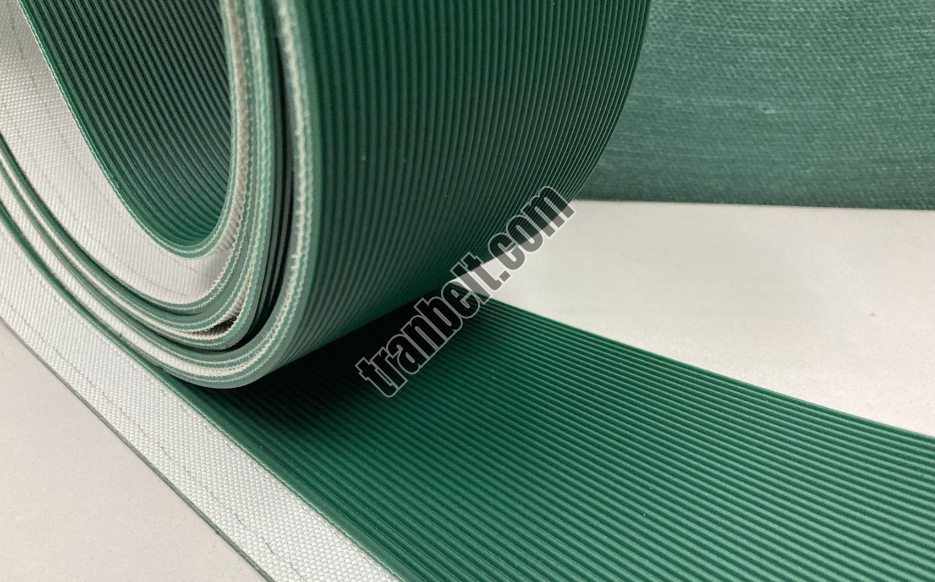
PVC conveyor belts are like strong, flexible moving paths that carry items from one spot to another. They are made from a type of plastic called polyvinyl chloride, or PVC for short. These belts are used in many places, such as factories, food processing plants, and package delivery centers, because they are tough, affordable, and work well for many different kinds of materials.
2. Types of PVC Conveyor Belts
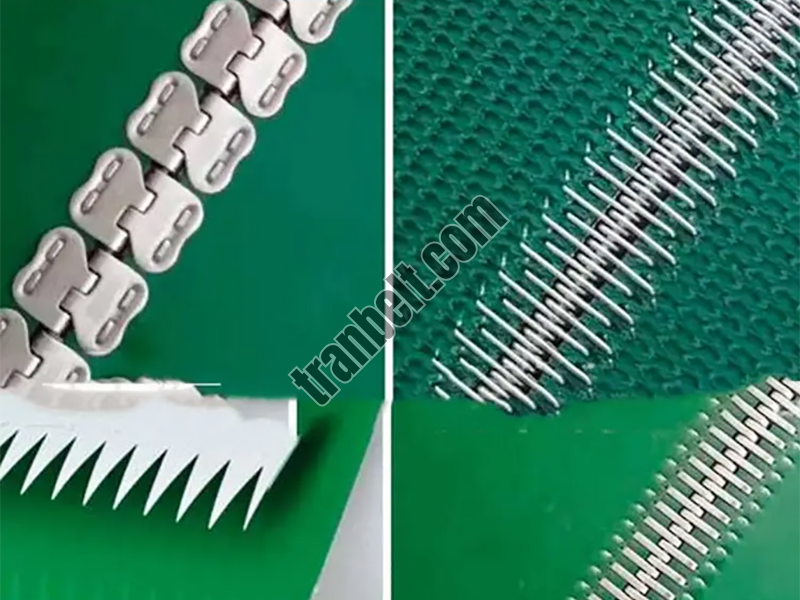
PVC conveyor belts come in different kinds, each made for a special job. You pick the right type based on what you need to move, how steep the path is, and if items need to stay put. Knowing the different types helps you find the best belt for your work, making sure things move smoothly and safely.
Flat PVC Conveyor Belts
Flat PVC conveyor belts are the most common type. They have a smooth, flat surface and are great for moving regular items from one spot to another. These belts work well for light to medium loads and are often used in places like food packing, retail stores, or for general moving of boxes and bags on a level path.
PVC Belts with Guide Strips
PVC belts with guide strips have small rubber or plastic strips fixed to the bottom. These strips help the belt stay straight on the conveyor system, especially when it’s very long or moves fast. They stop the belt from sliding side-to-side, which keeps it running right and stops products from getting jammed or falling off.
Sidewall PVC Conveyor Belts
Sidewall PVC conveyor belts have flexible walls on the sides, like a fence. These walls keep products from falling off, especially when the belt moves items up a steep hill or around curves. They are perfect for carrying loose items, like grains, dirt, or small parts, making sure everything stays on the belt until it reaches its destination.
Cleated PVC Conveyor Belts
Cleated PVC conveyor belts have raised bumps or bars, called cleats, spread across the belt surface. These cleats act like small barriers, stopping items from sliding backward when the belt is moving things up a slope or incline. They are very useful for carrying things like food, small packages, or parts that need a firm grip to prevent them from rolling or falling down.
3. Top Industries Using PVC Conveyor Belts

Many different kinds of businesses use PVC conveyor belts because they are strong, last a long time, and are easy to keep clean. They are a great choice for moving all sorts of products, from food to packages, helping factories and warehouses work smoothly and quickly.
Food Processing and Bakery Production
In places where food is made, like bakeries or plants that package fruits and vegetables, PVC conveyor belts are very important. They are easy to clean and can handle food safely, which is key for keeping things hygienic. You will often see them moving bread, cookies, meat, and fresh produce from one step to the next.
Packaging and Logistics
When you order something online or send a package, it often travels on a PVC conveyor belt. These belts are great for sorting and moving boxes, bags, and mail quickly and efficiently. They help make sure your packages get to the right place on time, no matter their size or shape.
Pharmaceutical and Cosmetic Manufacturing
Making medicines and makeup needs very clean conditions, and PVC belts are perfect for this. They don’t react with chemicals and are easy to clean very well, which is important for health and safety. These belts carefully move small pills, bottles of lotion, and other delicate items through the factory.
Electronics and E-Commerce
For making electronics like cell phones or computer parts, PVC conveyor belts are used to move small and delicate pieces carefully. They also play a big role in online shopping warehouses, where they quickly move many different items to be packed and shipped. This helps get your online orders to you faster.
4. How Does TranBelt Supply PVC Conveyor Belts and Kits from China?
When you need PVC Conveyor Belts and Kits from China, we make the entire supply process simple, cost-effective, and reliable. We don’t just source products—we control the entire chain, from manufacturing to shipping. Here’s how we ensure you get good products, good prices, and easy service:
- We work directly with top global belt brands and are their official distributor in China. This allows us to offer lower agent prices on original belts from brands like Bando, Continental, Gates, Megadyne, Mitsuboshi, and Optibelt—with stable stock and fast supply.
- We also have our own factory, so we can produce belts for different machines and special needs. Factory production means better quality control and more competitive prices, including custom PVC conveyor belts and kits tailored to your specifications.
- We cooperate with long-term shipping partners. Both air and sea shipping are available, and we help you choose the best shipping plan to save cost and receive goods safely and on time.
Looking for a reliable belt supplier in China?
Contact TranBelt now for a fast quotation and professional support.
5. Frequently Asked Questions
1) What are PVC conveyor belts used for?
PVC conveyor belts are used to move things from one place to another in factories, warehouses, and stores. You will see them in places like airports moving luggage, in grocery stores at the checkout, and in food factories moving bread or snacks. They work great for light to medium weight items like boxes, packages, and plastic parts.
2) Are PVC conveyor belts food safe?
Yes, many PVC conveyor belts are food safe. But you have to check the label or ask the seller. Some are made with special materials that are okay for touching food like fruits, vegetables, and packaged meats. Just make sure you pick a belt that says “food grade” or “FDA approved” on it.
3) How long do PVC conveyor belts last?
PVC conveyor belts can last anywhere from 1 to 5 years. It depends on how much you use them, what you move on them, and how well you take care of them. If you run them every day with heavy stuff, they might wear out faster. Clean them and check them often, and they will last longer.
4) Can PVC belts handle inclines?
Yes, PVC belts can handle inclines, but you need the right type. Some PVC belts have a rough top or little bumps that help grip things so they do not slide back. For steep hills, you might need a belt with raised sides or a special pattern. For gentle slopes, a smooth belt might work fine.
5) How do I clean a PVC conveyor belt?
First, turn off the machine so it is safe. Then use a soft brush or a cloth with warm water and mild soap. Do not use strong chemicals or rough tools because they can damage the belt. Rinse with clean water and dry it before turning the machine back on. For sticky messes, you can use a little rubbing alcohol.
6)What is the difference between PVC and rubber conveyor belts?
PVC belts are lighter and cheaper than rubber belts. They work best for light or medium jobs like moving boxes or food. Rubber belts are heavier, stronger, and can handle very hot items, sharp edges, and heavy loads. So if your job is tough, pick rubber. If it is light work, PVC is a good choice.
7) How much do PVC conveyor belts cost?
PVC conveyor belts cost between $5 and $30 per foot. The price depends on how wide and thick the belt is, plus any special features like a rough top or food safety rating. You can buy them from industrial supply stores or online. Always measure what you need first so you do not spend extra money on extra length.
6. Conclusion
Now you know all about pvc conveyor belts—what they are, the different types, and which industries use them most. Whether you work in food, packaging, or logistics, the right belt can solve your biggest problems: slipping, cleaning trouble, or wear and tear. The pain points are covered and your main questions are answered. You don’t have to guess anymore—the right choice is clear, and it feels good to have a solid plan in hand.
So what’s next? You should take action right now and get the best pvc conveyor belts for your job. Let TranBelt help you. We work with top global brands, we run our own factory, and we handle shipping from China to your door. You get good products, good prices, and easy service—all in one place. No more stress, no more wasted time. Contact TranBelt today for a fast quote and start solving your problems for real. You can do it!