Are you tired of your machines breaking down at the worst possible time? You hear a squeak, a squeal, or a snap, and suddenly everything stops. That lost time costs you money and stress. Did you know that a simple belt failure can shut down a whole production line? It’s frustrating when you just want things to run smoothly. But here’s the truth: most of these problems come from using the wrong belt for the job. What if you could fix that today?
This article will make everything clear. We start by explaining what are power transmission belts, so you finally understand how they work. Then we dive into the types of power transmission belts, so you can pick the perfect one for your machine—no more guessing. Finally, we cover the materials used in power transmission belts, so you know which one lasts longest in your shop. It’s exciting stuff! Get ready to solve your belt problems and keep your equipment running like a champ. Let’s go!
What Are Power Transmission Belts?
Power transmission belts are special loops, usually made of tough rubber or other strong stuff, that connect two spinning wheels called pulleys. Their main job is to move power from one place to another within a machine. For example, a motor might spin one pulley, and the belt then makes another pulley spin, which helps that part of the machine do its work. Think of it like a simple way to transfer movement and force to get things done, often found in cars, factories, and even home appliances.
Types of Power Transmission Belts
Power transmission belts come in many shapes and sizes. Each type is made for a different kind of job, like moving heavy things or making sure parts turn at exactly the right time. Knowing the differences helps pick the best belt for what you need to do, making sure your machines work right and last a long time.
V-Belts
V-belts are shaped like a ‘V’ and fit into special grooves on the wheels (called pulleys). This V-shape helps them grip really well, so they don’t slip much even when moving a lot of power. They are very common and you can find them in many machines, like car engines, factory equipment, and even lawn mowers, because they are reliable and strong.
Flat Belts
Flat belts are, as the name says, flat and wide. They work by rubbing against the flat surface of the pulleys to move power. These belts are good for moving power over long distances or for machines that need to run at very high speeds. You might see them on old factory machines or for simple drives where exact timing isn’t the most important thing.
Timing (Synchronous) Belts
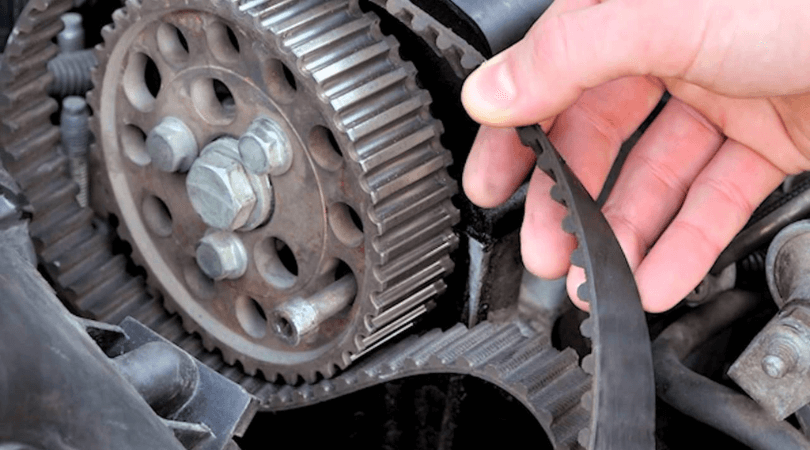
Timing belts have teeth on the inside that fit perfectly into grooves on the pulleys, just like a bicycle chain fits on gears. This means they cannot slip at all, making them perfect for jobs where parts need to move in perfect sync. They are used in car engines to keep parts timed correctly, and in machines like 3D printers or robots for very accurate movements.
Round Belts
Round belts are simple belts with a circular shape, like a thick piece of string. They are usually used for lighter jobs where you don’t need a lot of power to be moved. You often find them on small machines, like sewing machines, vacuums, or some office equipment. They are good because they can twist and turn easily, letting you connect parts that are not perfectly lined up.
Materials Used in Power Transmission Belts
Power transmission belts are made from different materials, and the stuff they’re made of is super important. The right material helps the belt do its job well, like gripping pulleys without slipping, bending easily, and lasting a long time. Different jobs need different materials, so belts can be made strong, flexible, or resistant to things like oil or heat.
Rubber and Synthetic Rubber
Many belts are made from rubber, or a man-made type called synthetic rubber. These materials are popular because they can grip well, which stops the belt from slipping on the pulleys. They also bend easily, which is good for going around wheels. Rubber belts are often used in cars, washing machines, and many machines in factories because they are flexible and reliable.
Polyurethane (PU) Belts
Polyurethane, often called PU, is another common material for belts. PU belts are known for being very strong and lasting a long time. They don’t get damaged easily by oil, grease, or some chemicals, which makes them good for tough jobs where other materials might wear out fast. You’ll often find PU belts in food processing machines or places where things need to be kept very clean.
Nylon and Kevlar Reinforced Belts
Sometimes belts need extra strength and need to stretch very little. That’s when materials like nylon or Kevlar are added inside the rubber or PU. These fibers work like strong wires inside the belt, making it much stronger and helping it hold its shape better. Belts with nylon or Kevlar are great for heavy-duty work where the belt carries a lot of power or needs to be very precise.
How Does TranBelt Supply Power Transmission Belts and Kits from China?
When it comes to sourcing power transmission belts and kits from China, we know you need more than just a product—you need reliability, fair pricing, and seamless service. At TranBelt, we don’t just ship belts; we deliver complete drive solutions tailored to your operation. Here’s exactly how we make it happen:
- We work directly with top global belt brands and are their official distributor in China. This allows us to offer lower agent prices on original belts from trusted names like Bando, Continental, Gates, Megadyne, Mitsuboshi, and Optibelt, all with stable stock and fast supply.
- We also own our factory, which means we can produce belts for different machines and special requirements. Factory production gives us better quality control and more competitive prices, including fully custom belts for unique applications.
- We cooperate with long-term shipping partners for both air and sea freight. We help you choose the best shipping plan to save costs while ensuring your goods arrive safely and on time.
Looking for a reliable belt supplier in China?
Contact TranBelt now for a fast quotation and professional support.
Frequently Asked Questions
1. What is the most common type of power transmission belt?
The most common type is the V-belt. You see it in cars, fans, and factory machines all the time. It has a V-shaped cross-section that lets it grip the pulleys tight without slipping. That’s why most people use it for everyday jobs.
2. What materials are power transmission belts made of?
Most belts are made from rubber, like natural or synthetic rubber. Some use polyurethane, which is a tough plastic. Inside, they have strong cords made of polyester, fiberglass, or even steel for extra strength. The materials depend on what job the belt needs to do.
3. How long do power transmission belts last?
It depends on how hard you work them. A belt in a light machine can last 3 to 5 years. But if you run it every day in a hot factory or a dusty place, it might only last 6 months to a year. Check your belt often to catch problems early.
4. What is the difference between a V-belt and a timing belt?
A V-belt has a smooth V-shape and can slip a little if needed. It’s simple and cheap. A timing belt has teeth on the inside that lock into the pulley. It never slips, so it’s used when the timing must be perfect, like in your car’s engine. Timing belts are more precise but also more expensive.
5. Can power transmission belts be used outdoors?
Yes, but only if you pick the right belt. Regular rubber belts will crack in the sun and rain. You need a belt made for outdoor use, like one with neoprene rubber or special coverings. These can handle the weather and last much longer outside.
6. How do I know when to replace my belt?
Look for these signs: cracks on the surface, frayed edges, a shiny or glazed look, or a squealing noise when it runs. If the belt feels loose and you can press it down more than half an inch, it’s time for a new one. A broken belt means you waited too long.
7. Are polyurethane belts better than rubber belts?
Polyurethane belts are stronger and last longer in tough jobs. They resist oil, chemicals, and wear better than rubber. But they cost more and can be too stiff for simple machines. Rubber belts are cheaper and work fine for normal use. So, polyurethane is better for hard work, rubber is better for everyday jobs.
Conclusion
You have just learned everything about power transmission belts—what they are, the different types, and what materials they are made from. By now, the main pain points are solved. You understand how these belts work to move power in machines, and you know which type and material fits your needs. No more confusion about flat belts, V-belts, or timing belts. The hard part is over, and you are ready to pick the right belt for your job with confidence.
Now it is time to take action. Don’t wait—let TranBelt help you get good products, good prices, and easy service. We work directly with top global brands like Bando and Gates, and we also have our own factory for custom belts. You get lower prices, stable stock, and fast shipping by air or sea. Just contact TranBelt now for a quick quote and professional support. Solve your belt problem today—you deserve it!