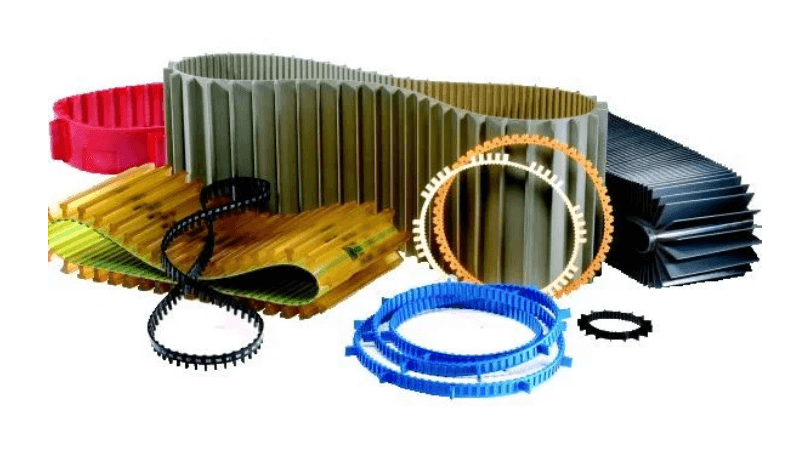
Have you ever watched a machine run perfectly and wondered, “How does it keep everything in sync?” Maybe you have a piece of equipment at work or home that just isn’t running right. It jerks, slips, or makes a terrible noise. That feeling of frustration is real. Did you know that a single loose belt can ruin an entire engine or production line? It’s true. But here’s the good news: once you understand how do timing pulleys work, all that confusion disappears. You’ll see the simple magic behind every smooth-running machine.
This article is your simple guide to finally understanding it all. We’ll break it down step by step, starting with What Is a Timing Pulley? Then, we’ll walk through How Do Timing Pulleys Work? Step-by-Step, so you can picture it in your head. You’ll learn the Key Parts of a Timing Pulley System, explore the different Types of Timing Pulleys, and discover Where Are Timing Pulleys Used? in everyday tools and cars. Get ready – you are about to unlock the secret that makes engines and machines tick with perfect timing! It’s easier and more exciting than you think!
How Do Timing Pulleys Work? A Complete 2026 Guide
Timing pulleys are like a helpful set of gears that make sure different parts of a machine move together at just the right moment. They use a special belt with teeth to link up two or more spinning parts. This guide will simply explain how these pulleys do their job, making sure everything in a machine stays perfectly in sync and runs smoothly, just like a well-oiled clock.
What You’ll Learn in This Guide
In this guide, you’ll learn the basic parts of a timing pulley system and what each part does. We will explain how the toothed belt and pulleys work together to control movement precisely. You’ll also find out about the different types of timing pulleys and belts you might see, and where they are used in everyday things.
Why Timing Pulleys Matter in Everyday Machines
Timing pulleys are super important because they make sure machines do what they’re supposed to, exactly when they should. Without them, things like your car engine, your printer, or even your washing machine wouldn’t work correctly or might break down. They keep all the moving parts moving in perfect step, which stops big problems and helps everything run reliably day after day.
What Is a Timing Pulley?
A timing pulley is a special kind of wheel with teeth around its edge. It works with a matching toothed belt, often called a timing belt, to make sure different parts of a machine move at exactly the right time. Unlike a smooth pulley, these teeth grab onto the belt’s grooves, so there’s no slipping. This setup is super important when things need to spin or move in perfect sync, like in car engines or certain industrial machines.
The Basic Definition (In Simple Terms)
Think of a timing pulley as a gear that works with a special belt instead of another gear. This belt has teeth on the inside that fit perfectly into the pulley’s teeth. When the pulley spins, it grabs the belt without slipping, making sure that whatever the belt is connected to moves at the exact same speed and time as the pulley. It’s all about making sure things stay perfectly in step.
How It Differs from a Regular Pulley
Regular pulleys are usually smooth and rely on friction, meaning the belt slides over them, which can sometimes cause a little slip. A timing pulley is different because it has teeth, just like a gear. These teeth lock right into the grooves on a timing belt. This design means there’s no way for the belt to slip, making sure that the movement is always precise and perfectly timed, which is crucial for many machines.
A Short History of Timing Pulleys
Timing pulleys, sometimes called synchronous belts and pulleys, really started to take off in the mid-20th century, especially in the 1940s and 1950s. Before this, machines often used chains and gears for precise timing. But engineers found that timing belts and pulleys could be lighter, quieter, and needed less oil. This made them a great choice for new car designs and other machinery that needed exact, no-slip timing without the heavy weight of metal chains.
How Do Timing Pulleys Work? Step-by-Step
Timing pulleys work by using a special belt that has teeth on it, along with pulleys that have matching grooves. When one pulley turns, the teeth on the belt fit into the grooves on the pulley, grabbing onto it firmly. This makes the belt move, and as the belt moves, its teeth then grab onto the grooves of other pulleys, forcing them to turn at the exact same speed and time as the first pulley. This way, motion and power are moved from one part of a machine to another in a very precise and organized way.
The Role of Teeth and Grooves
The teeth are small bumps found on the inside surface of the timing belt. The grooves are the matching spaces carved into the round edge of the timing pulleys. Think of them like gears. The teeth on the belt are made to fit perfectly into the grooves on the pulley, much like how the teeth of two gears mesh together. This special design is what makes the timing system work accurately and without mistakes.
How the Belt and Pulley Lock Together
When the timing belt wraps around a pulley, the teeth on the belt slide right into the grooves on the pulley. They fit together snugly, creating a tight connection. This isn’t a loose fit; instead, they lock together firmly, like puzzle pieces. This strong lock means that when the pulley turns, the belt is pulled along with it instantly, and when the belt moves, it pushes the pulley to turn without any delay.
How Motion and Power Are Transferred
As a main timing pulley spins, its teeth push against the teeth of the belt, making the belt move. Because the belt is locked onto the other pulleys with its teeth and their grooves, the belt pulls those other pulleys along. This makes all the pulleys spin together, perfectly in sync. This synchronized movement is how motion and power are smoothly and efficiently sent from one part of a machine to another, ensuring everything works in harmony.
Why There’s No Slipping
The main reason timing pulleys don’t slip is because of their teeth and groove design. Unlike smooth belts that can slide or lose grip, especially under heavy weight or if they get wet, timing belts use a positive grip system. The teeth on the belt physically engage with the grooves on the pulley, creating a mechanical lock. This lock stops any sliding or slipping, making sure that the movement is always exact and dependable, no matter the conditions.
Key Parts of a Timing Pulley System
A timing pulley system is made of a few main parts that all work together. Think of it like a team. You have the timing pulley itself, which is a wheel with teeth. Then there’s the timing belt, which is like a special rubber band with teeth that wraps around the pulleys. And finally, there are shafts that hold the pulleys, often with flanges to keep the belt in place. Each part has an important job to make sure everything moves together just right.
The Timing Pulley
The timing pulley is a special kind of wheel. Unlike a regular smooth wheel, a timing pulley has little teeth all around its edge. These teeth are very important because they fit perfectly into the teeth on the timing belt. This design helps the pulley grab the belt tightly and move it without slipping. It makes sure that whatever the pulley is turning, it moves at the exact same speed and time as other parts connected by the belt.
The Timing Belt
The timing belt looks a lot like a strong, toothed rubber band. It’s usually made from tough rubber or a similar material. The most important thing about the timing belt is its teeth, which run along its inner side. These teeth are designed to lock into the teeth of the timing pulleys. This firm connection makes sure that when one pulley turns, the belt makes the other pulleys turn in perfect sync, meaning they all move together at the same time without any slip.
The Shaft and Flanges
The shaft is like a strong rod or axle that goes through the middle of the timing pulley. Its job is to hold the pulley and let it spin. Without the shaft, the pulley wouldn’t have anything to spin on. Flanges are usually flat edges or walls on the sides of the timing pulley, or sometimes separate pieces on the shaft. Their main job is to keep the timing belt from sliding off the pulley and make sure it stays centered and running smoothly.
Types of Timing Pulleys
Timing pulleys come in many shapes and sizes, and picking the right one is key for how well a machine or engine works. These differences help them handle different amounts of power, keep the belt on track, and make sure parts move at just the right moment for various jobs.
By Tooth Profile (Trapezoidal vs. Curvilinear)
The shape of a timing pulley’s teeth is really important for how it grabs the belt and transfers power. Trapezoidal teeth look like little flat-top boxes and are often found in older or simpler systems where super-high precision isn’t always needed. Curvilinear teeth, on the other hand, have a rounder, more curved shape that helps them grip the belt better, reduce noise, and handle more power smoothly, making them common in modern engines and high-performance machines.
By Flange Type (Single, Double, or No Flange)
Flanges are like small raised edges on the sides of a timing pulley that help keep the timing belt from slipping off. A single flange means there’s a raised edge on just one side of the pulley, often used when other parts help guide the belt. A double flange has these edges on both sides, offering more security to keep the belt perfectly centered. Sometimes, a pulley might have no flanges at all if the way it’s set up or other guiding parts ensure the belt stays put.
By Pitch Size (T, AT, HTD, GT)
Pitch size refers to the exact distance from the center of one tooth to the center of the next tooth on the timing pulley. Different pitch sizes like T, AT, HTD, and GT are designed to work with specific types of timing belts and are chosen based on the amount of power being moved and how accurate the timing needs to be. Using the correct pitch size is essential for the belt to fit snugly, operate quietly, and transfer power efficiently without slipping.
Where Are Timing Pulleys Used?
Timing pulleys are found in many different machines and devices. They are important in any place where things need to move together at an exact speed and time. Think of them as special gears that help different parts of a machine work in perfect sync, making sure everything happens when it’s supposed to. Without them, many machines wouldn’t run smoothly or even work at all.
In Car Engines (Crankshaft & Camshaft)
One of the most common places to find timing pulleys is inside your car’s engine. They are a key part of the timing belt or chain system. Here, timing pulleys make sure that the crankshaft and camshaft spin at the correct times. This exact timing is vital for the engine’s valves to open and close at the right moment, which allows fuel and air to enter and leave the engine properly, making your car run.
In Industrial Machines and Conveyors
Timing pulleys are also widely used in big machines found in factories and industrial settings. They are crucial for making sure different parts of these machines move together exactly. For example, on conveyor belts that move products along a line, timing pulleys help the belt move smoothly and at a constant speed. They are also used in packaging machines or printing presses where precise movement is needed.
In Robotics and 3D Printers
In the world of technology, timing pulleys play a big role in robots and 3D printers. For robots, these pulleys help their arms and joints move with great accuracy and control, allowing them to perform detailed tasks. In 3D printers, timing pulleys make sure the print head moves precisely over the build area. This accuracy is what allows 3D printers to create complex objects layer by layer with high detail.
How Does TranBelt Supply Timing Belts and Kits from China?
When it comes to sourcing Timing Belts and Kits from China, we know that reliability, quality, and cost-efficiency are non-negotiable. That’s why TranBelt has built a complete supply chain that gives you direct access to top-tier products without the usual middleman markup. We work directly with the world’s leading belt brands and are their official distributor in China, meaning you get original, authentic parts from names like Bando, Continental, Gates, Megadyne, Mitsuboshi, and Optibelt—all with stable stock and fast supply. But we don’t stop there. We also operate our own factory, allowing us to manufacture custom Timing Belts and Kits for specialized machinery, ensuring superior quality control and pricing that beats the competition. And because logistics can make or break a deal, we partner with long-term shipping providers to offer both air and sea freight, helping you select the most cost-effective and safe delivery method.
Here’s how we make your supply seamless:
- Direct brand partnerships unlock lower agent prices on genuine OEM Timing Belts and Kits.
- In-house production means we can create custom belts for unique applications, with tighter quality checks and better factory-direct pricing.
- Flexible shipping plans—we analyze your timeline and budget to recommend the best route, so your goods arrive on time and intact.
- Full support from quotation to delivery, with a dedicated team that understands your technical and commercial needs.
Looking for a reliable belt supplier in China?
Contact TranBelt now for a fast quotation and professional support.
Frequently Asked Questions
1. What does a timing pulley actually do?
A timing pulley works with a timing belt to keep things moving in sync. It’s like a wheel with teeth that grabs the belt, so your engine or machine parts turn at the right time. Without it, stuff like your car’s camshaft and crankshaft wouldn’t work together.
2. Can a timing pulley work without a timing belt?
No, it can’t. The timing pulley and belt are a team—they need each other. The pulley’s teeth are made to fit the belt’s teeth. If you don’t have a belt, the pulley just spins, and it won’t move or control anything else.
3. What happens if the teeth on a timing pulley wear out?
If the teeth get worn down, the belt can slip or skip. This can mess up the timing in your engine or machine. You might hear odd noises, see poor performance, or even cause serious damage. It’s best to replace a worn pulley right away.
4. How do I know what size timing pulley I need?
You need to check the pitch, number of teeth, and bore size. Pitch is the space between teeth, and it has to match your belt. Count the teeth and measure the hole in the middle. If you’re not sure, look at your old pulley or check your machine’s manual.
5. Are timing pulleys hard to maintain?
Not really. They’re pretty simple. Just keep them clean and free of dirt or grease. Check the teeth for wear now and then. If the belt is tight and in good shape, the pulley usually lasts a long time with little fuss.
6. What is “pitch” in a timing pulley system?
Pitch is the distance from the middle of one tooth to the next. It’s a key number because your pulley and belt must have the same pitch. If they don’t match, the belt won’t fit right, and your system won’t work.
7. How long do timing pulleys last?
They can last a long time—often as long as the machine itself, like 60,000 to 100,000 miles in a car. It depends on how hard they work and if you keep them clean. But if the belt breaks or teeth wear down, you might need to replace the pulley sooner.
Conclusion
So now you know the answer to how do timing pulleys work – it’s all about those teeth locking together with the belt to keep everything moving in perfect sync. We walked through every part of the system: what a timing pulley is, the step-by-step way it spins and drives your machine, the key pieces like teeth and bearings, the different pulley types you might see, and the real-world places pulleys get used, from car engines to factory lines. All those confusing pain points are finally cleared up. You don’t have to wonder anymore how things stay in time – you’ve got the full picture, and most of your big questions are solved.
Now it’s time to put that knowledge to work. You need a timing pulley or belt that won’t let you down, and we are here to help you. At TranBelt, you get good products, good prices, and easy service – just like we promised. Whether you want a top brand belt or a custom piece from our own factory, we make it simple for you. Don’t settle for guesswork or bad parts. Contact TranBelt now and let us get your machine running smooth and strong. Take the next step today!